Home · Artists · About Feri Motion Makers · Farivar Hamzeyi · Support · Contact
Arezoo Jabbari — آرزو جباری
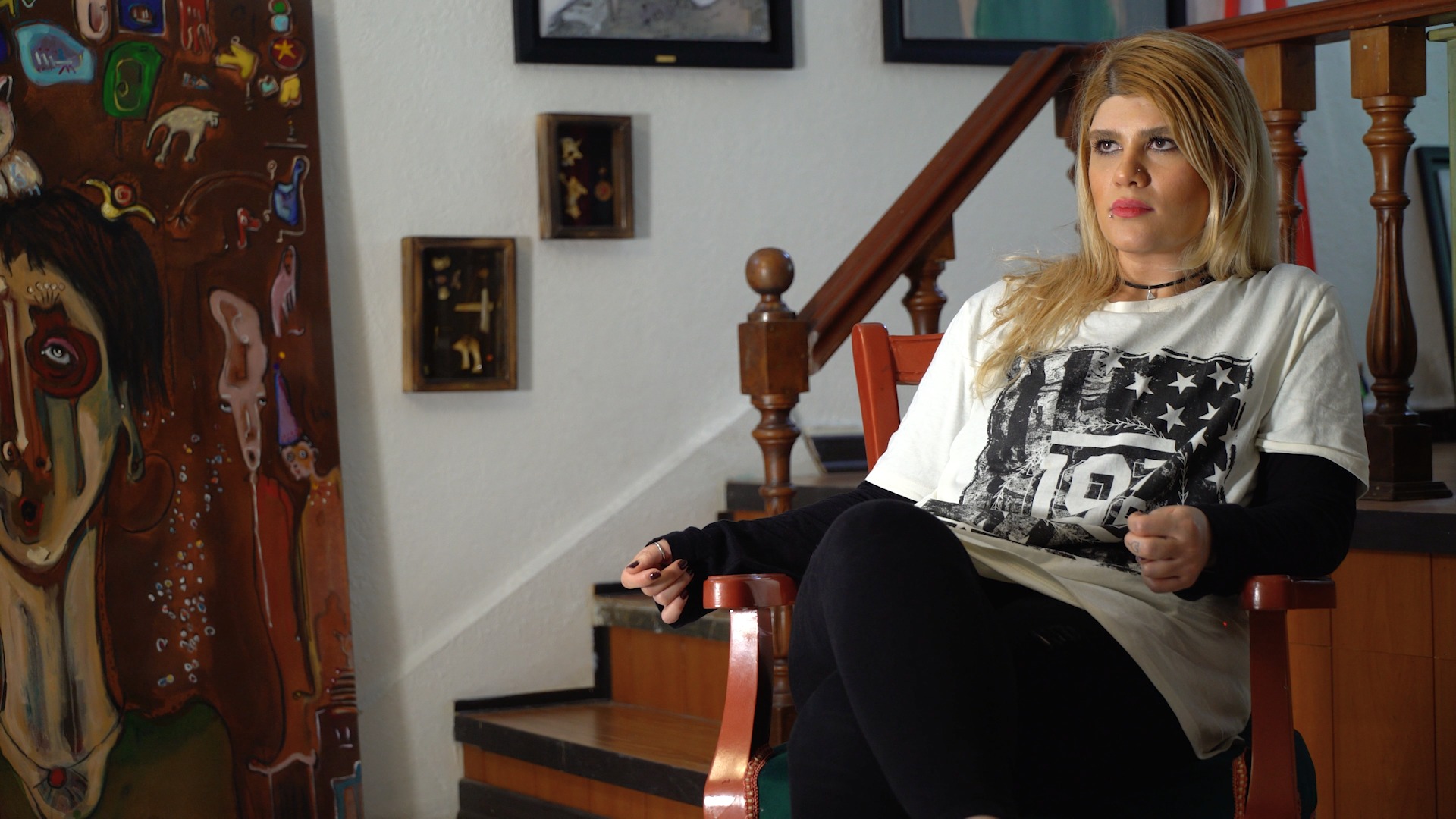
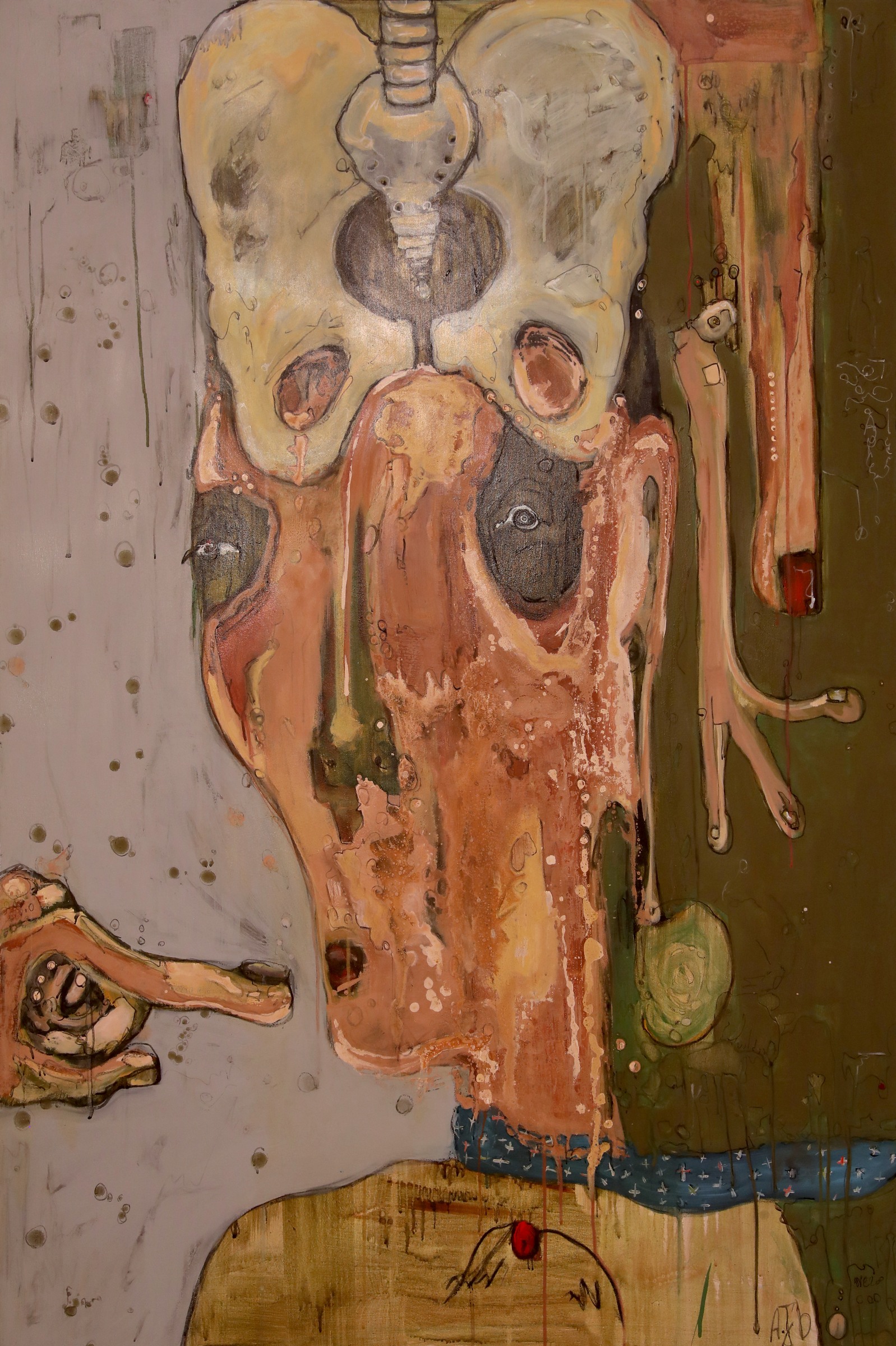
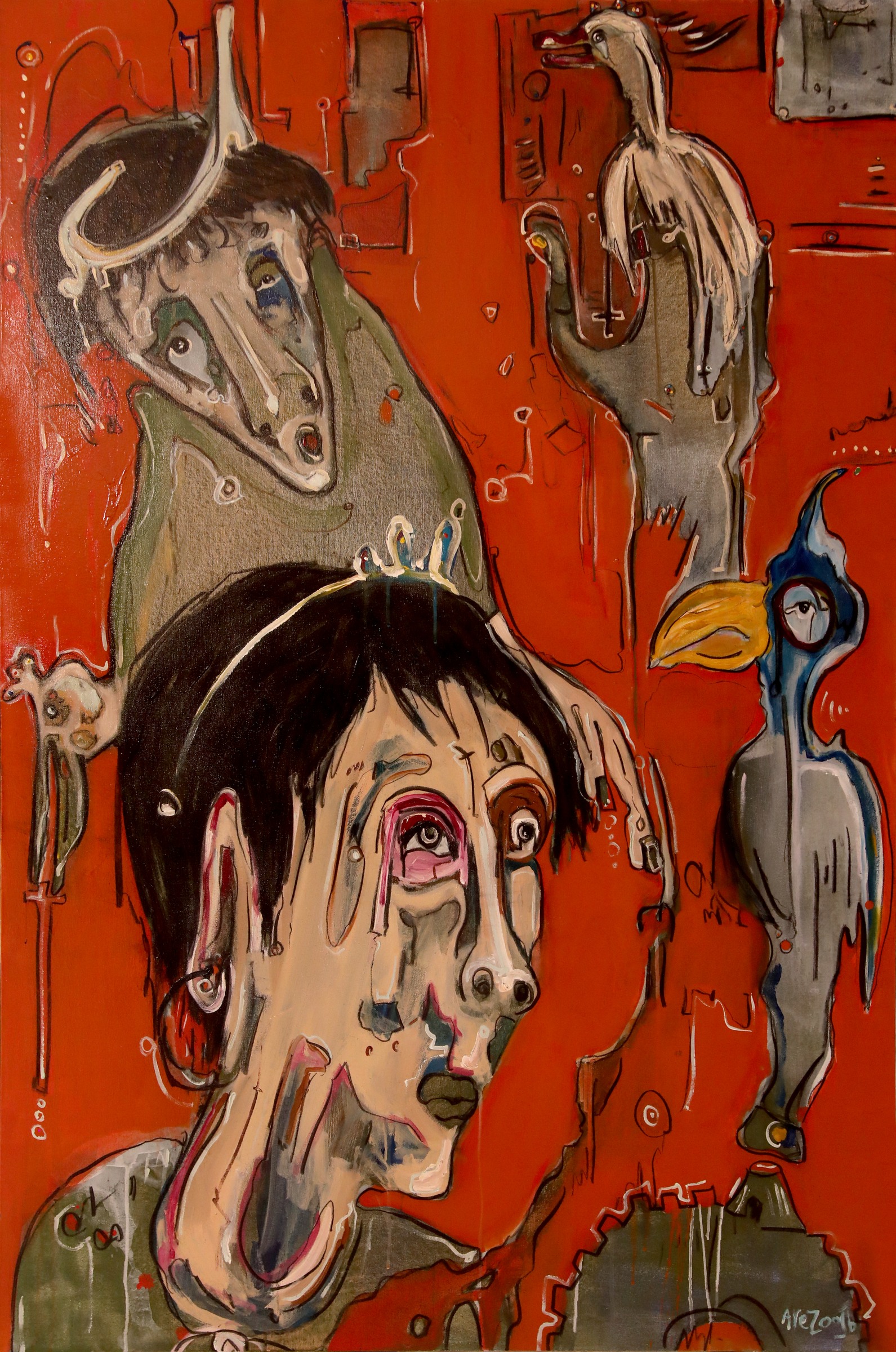
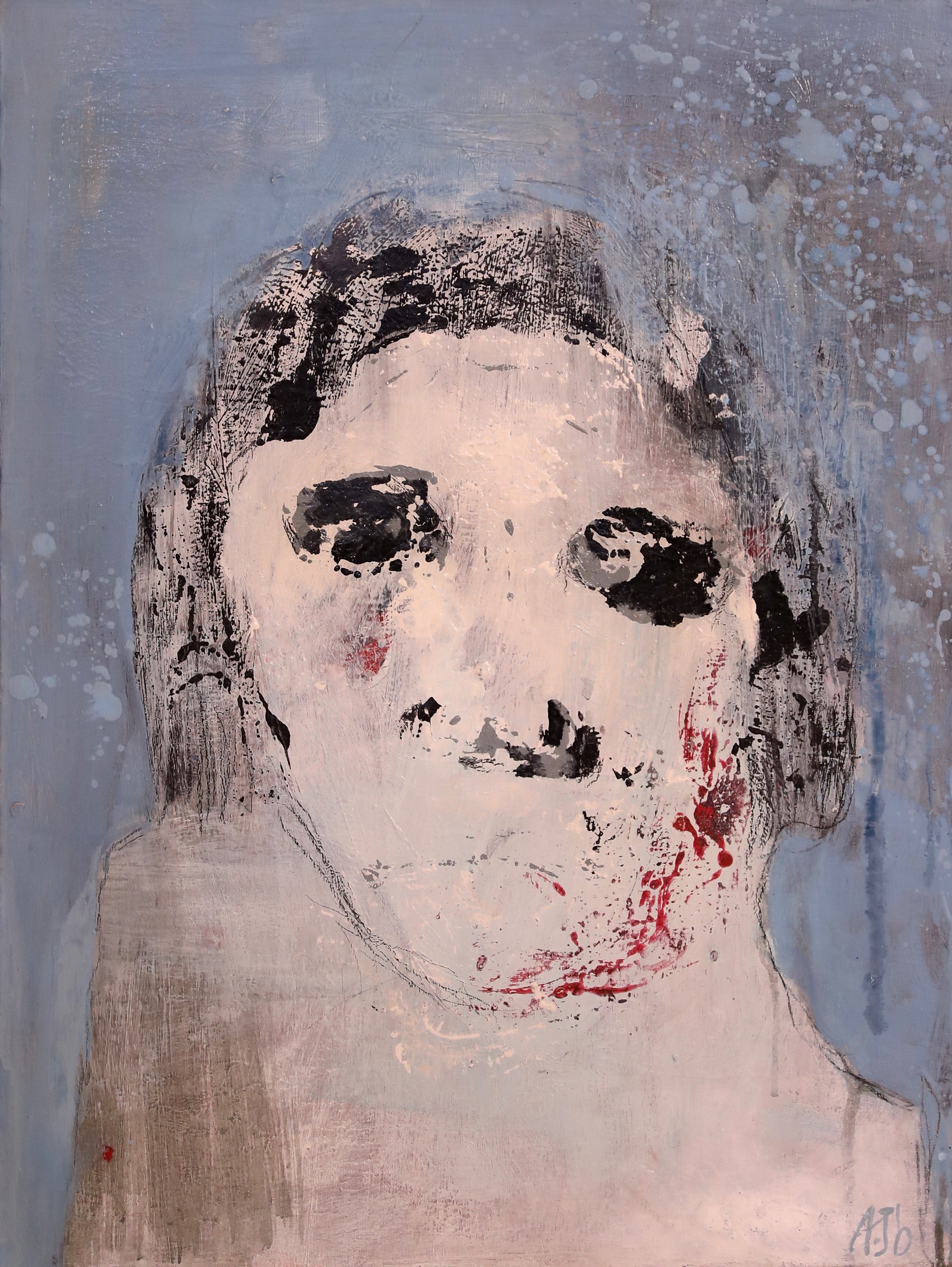
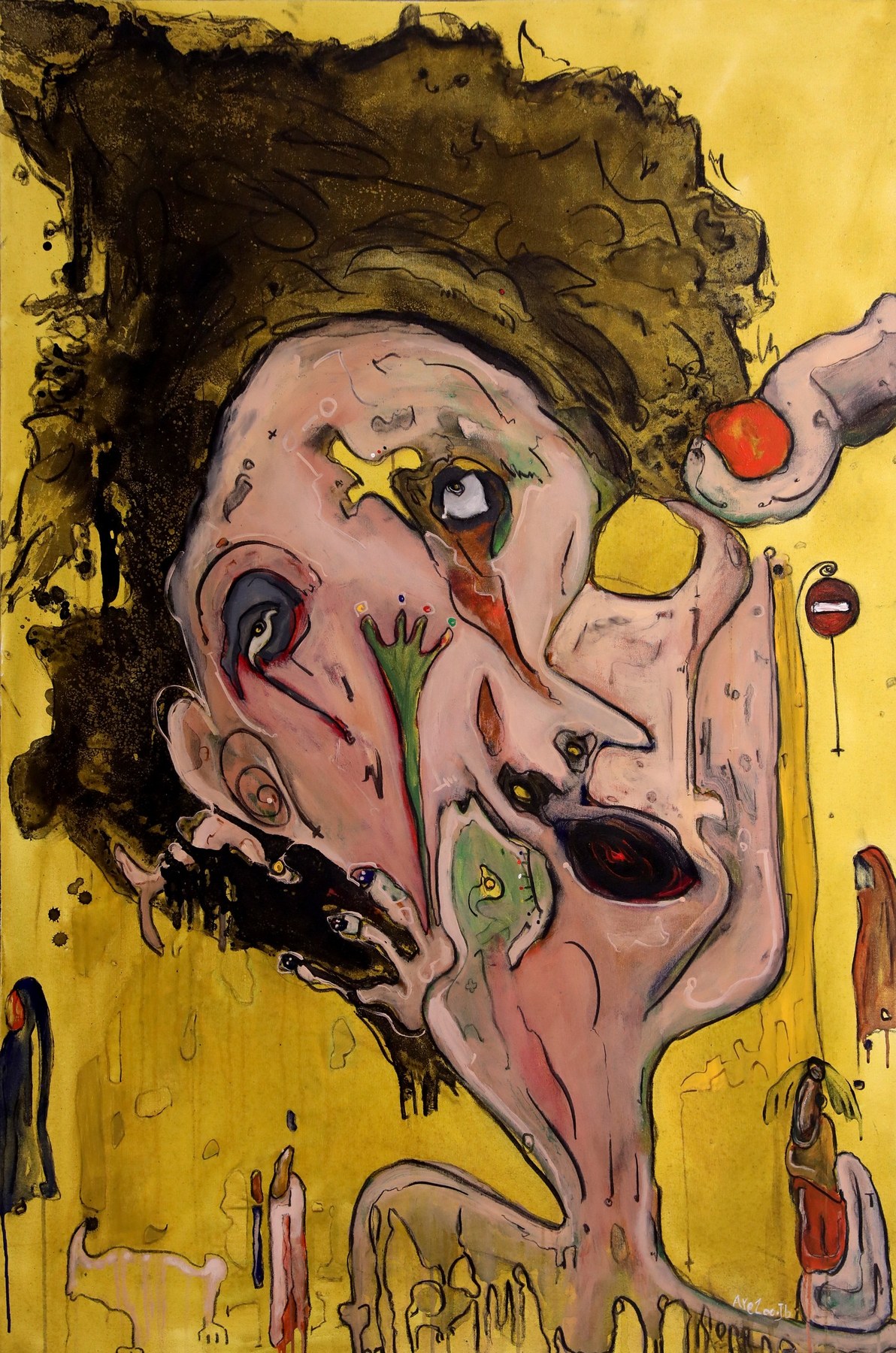
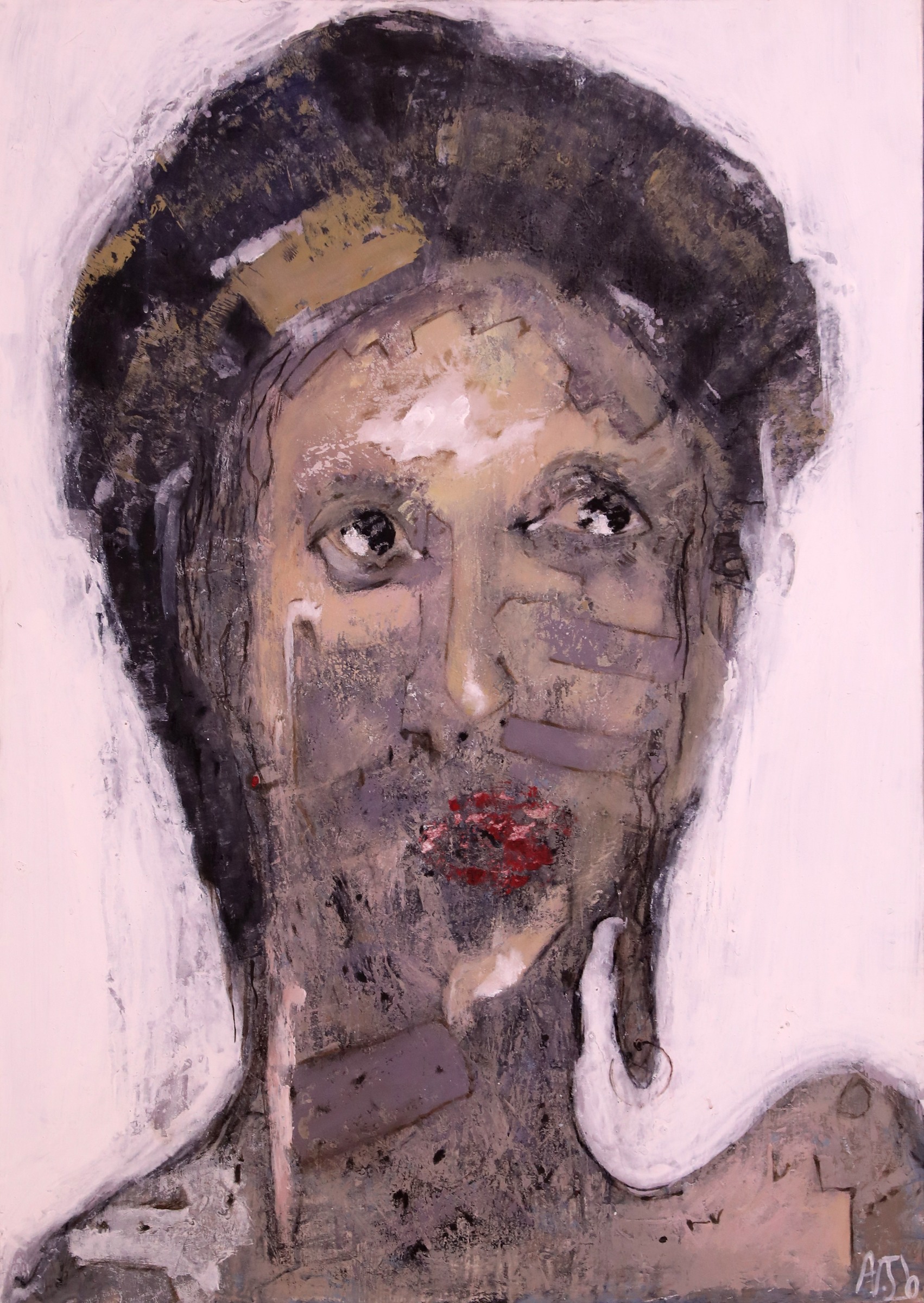
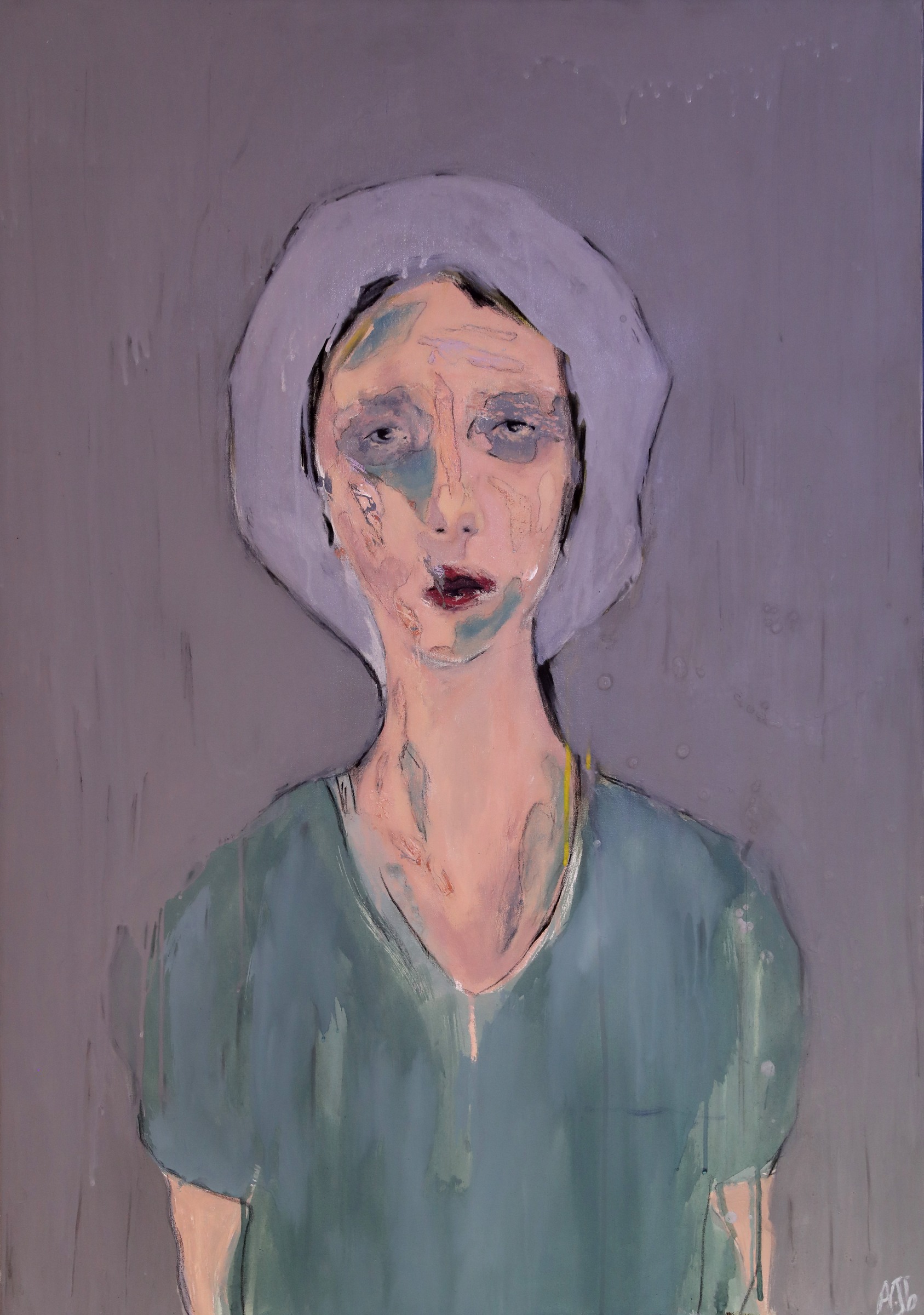
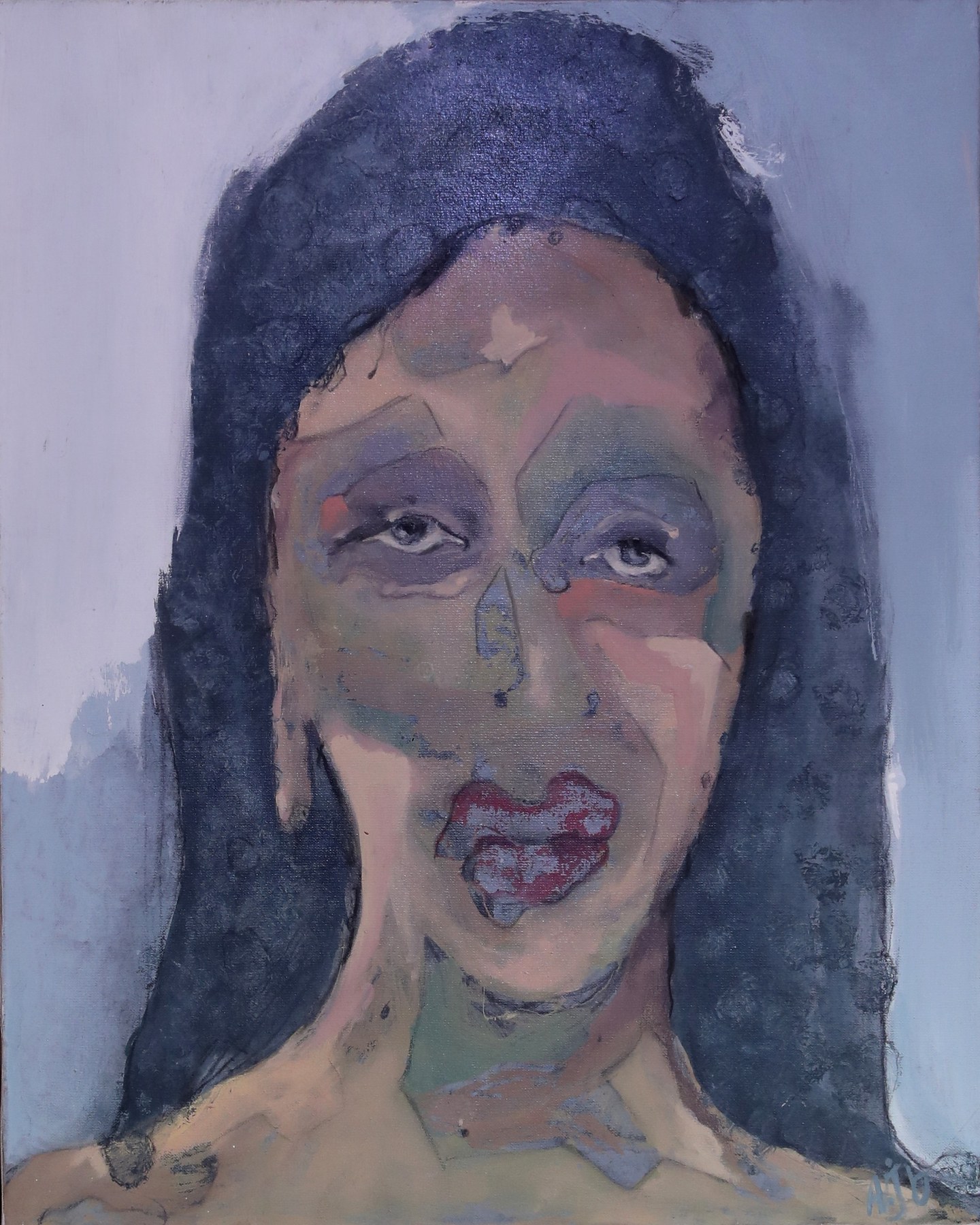
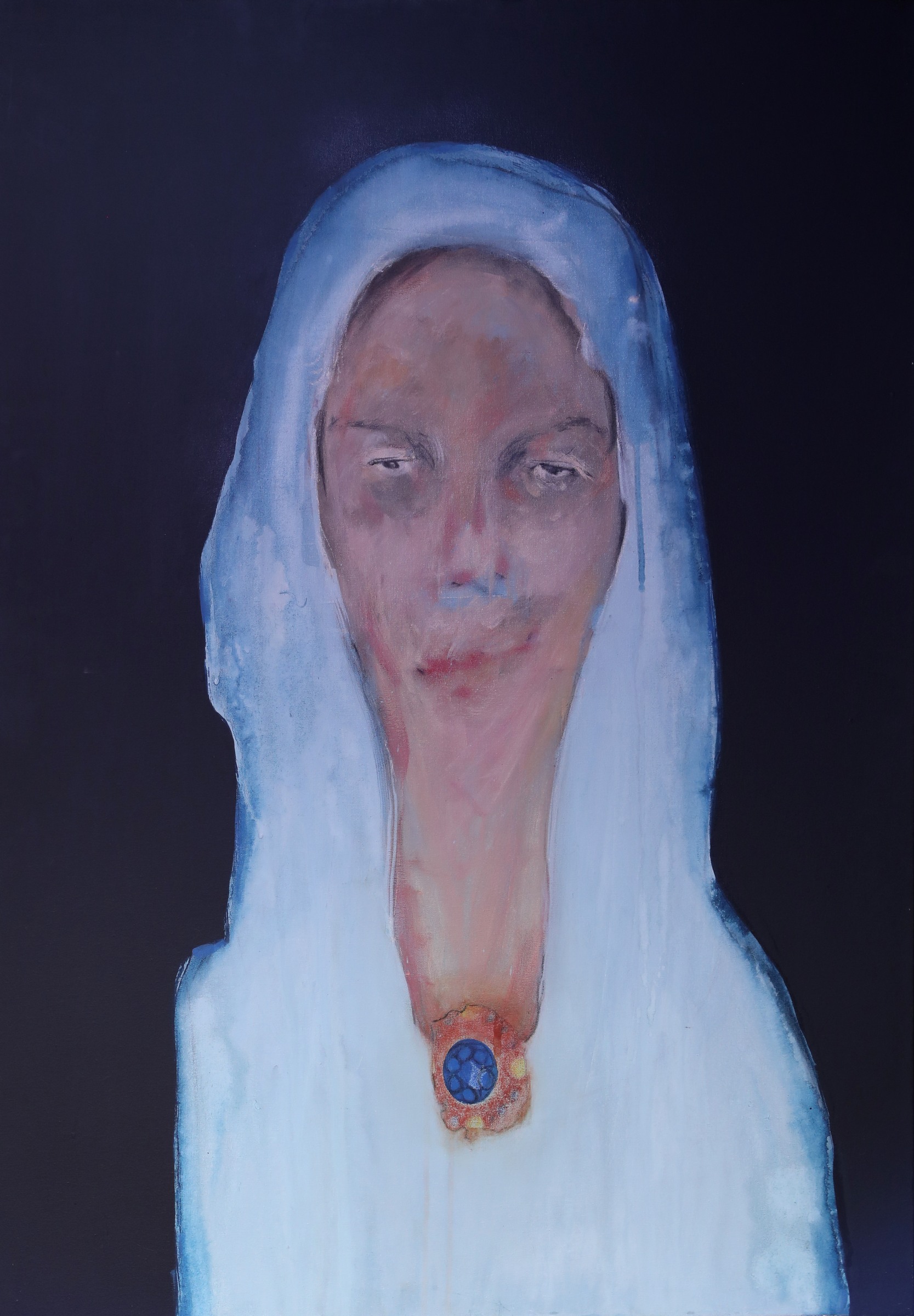
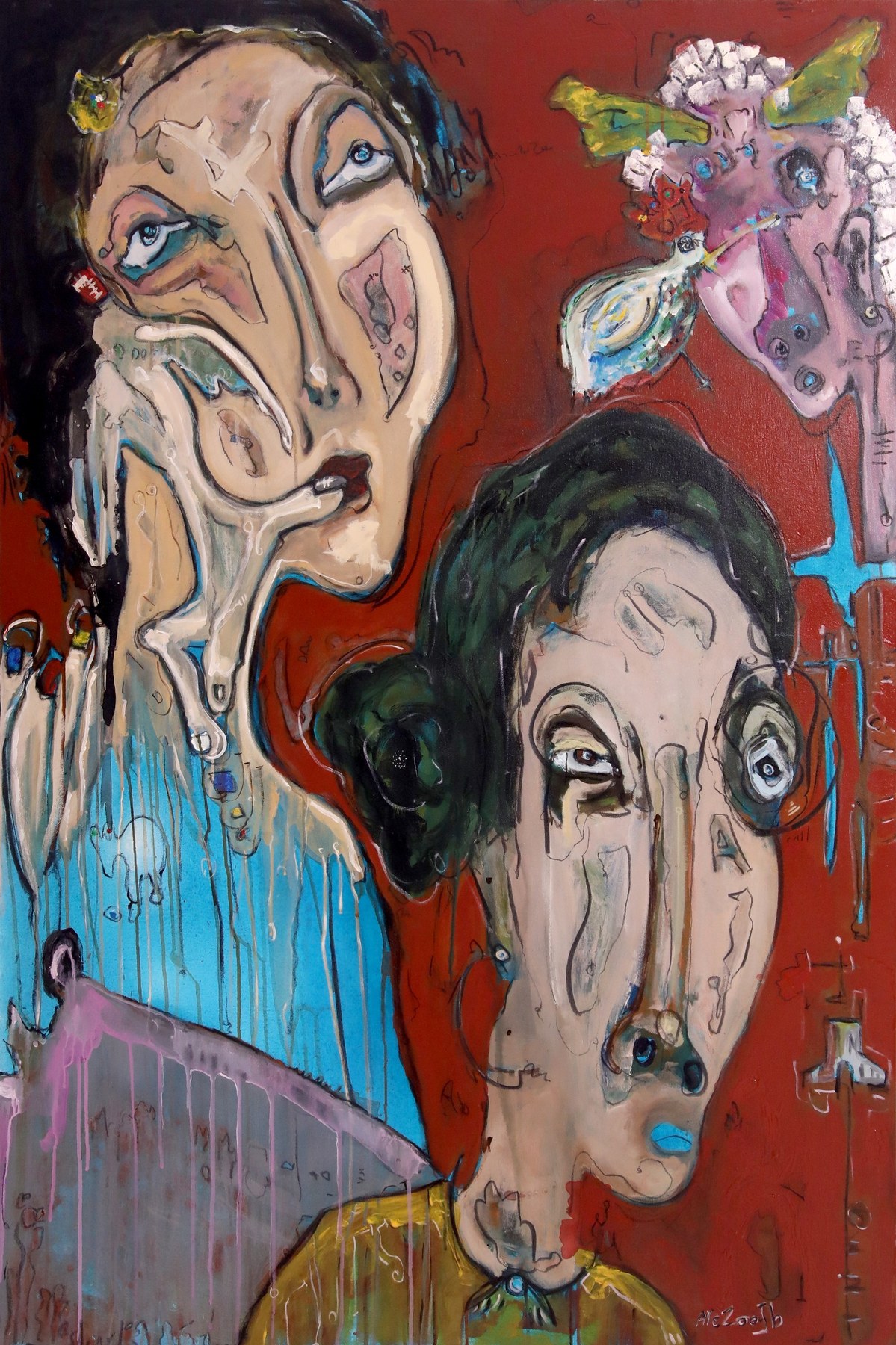
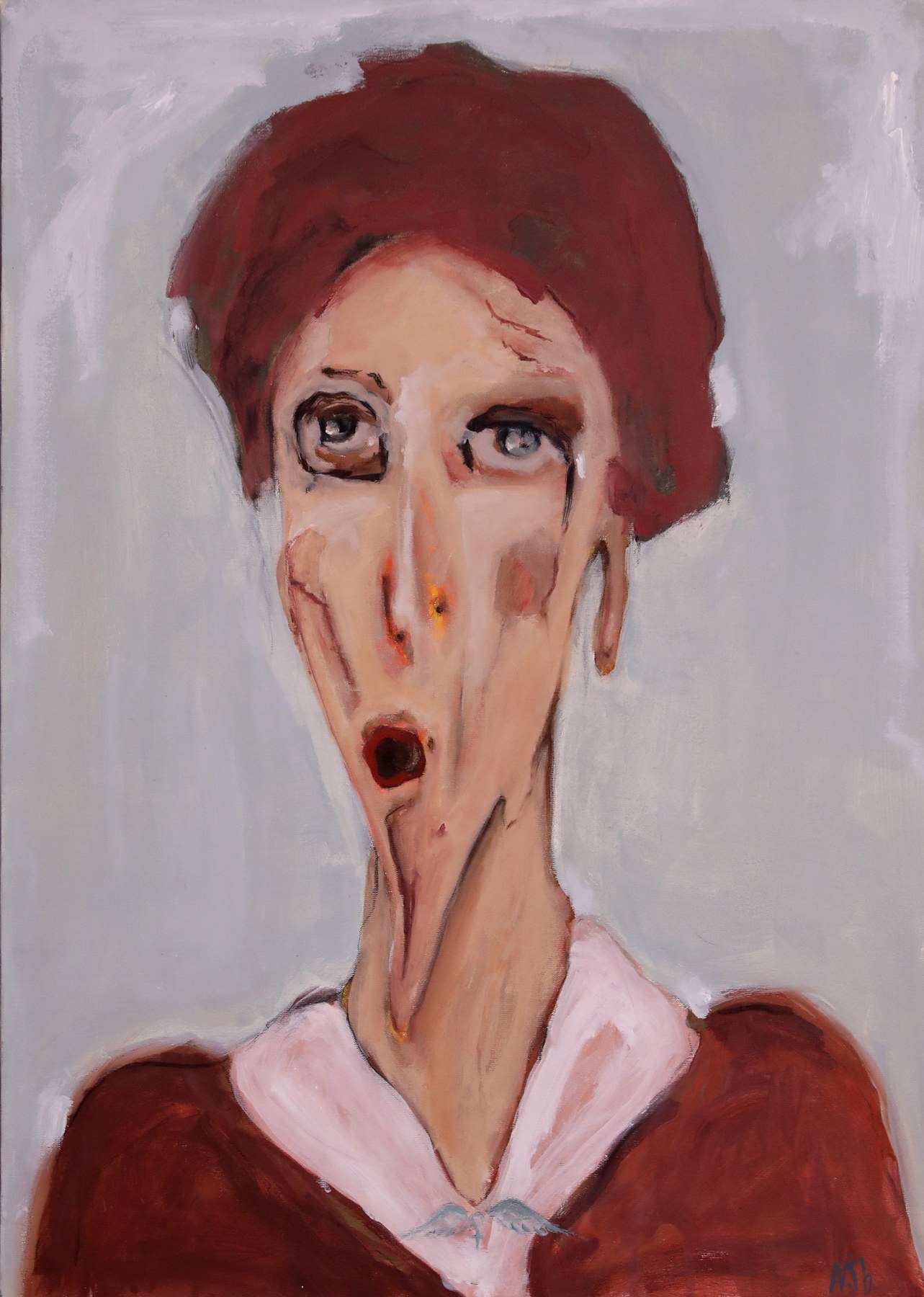
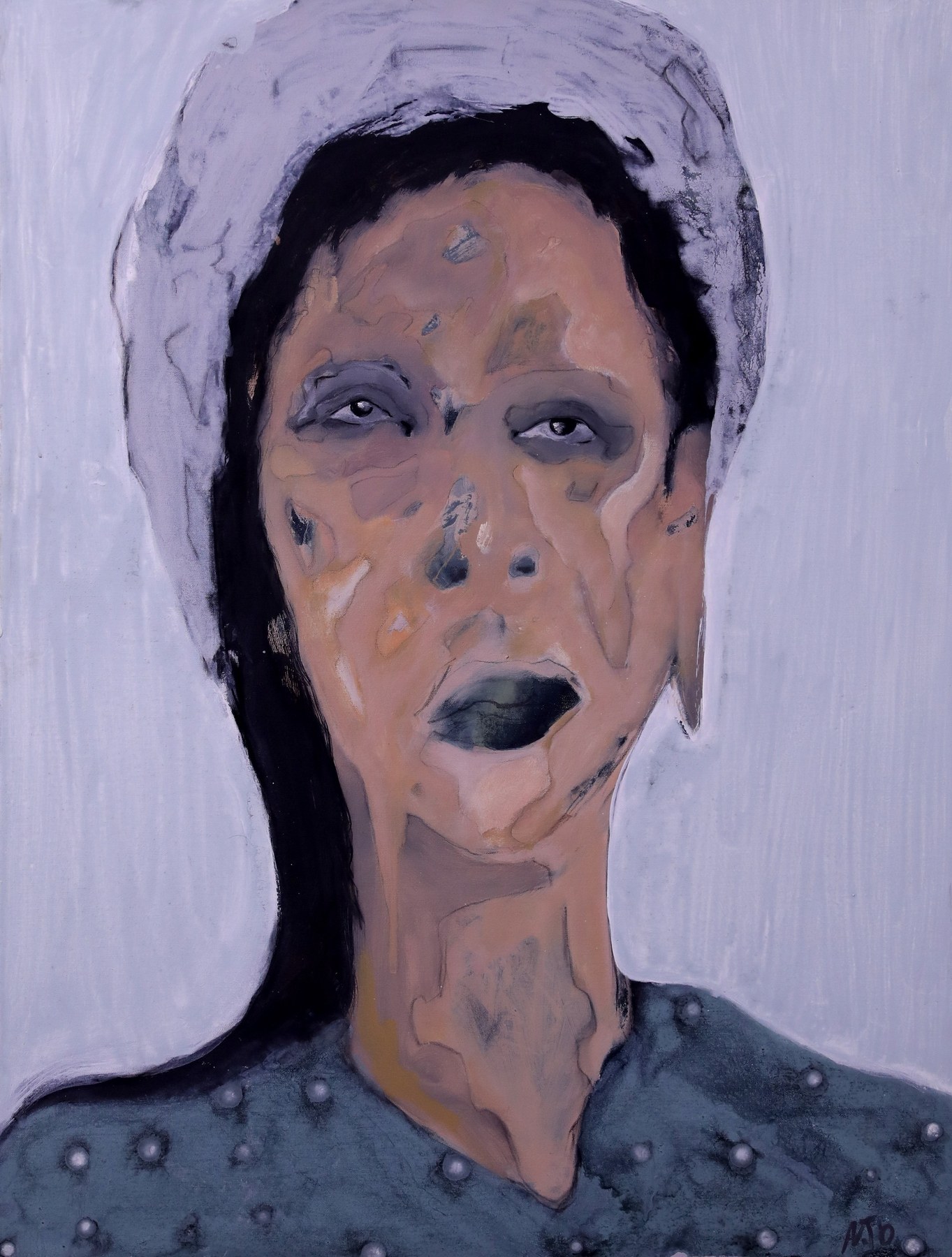
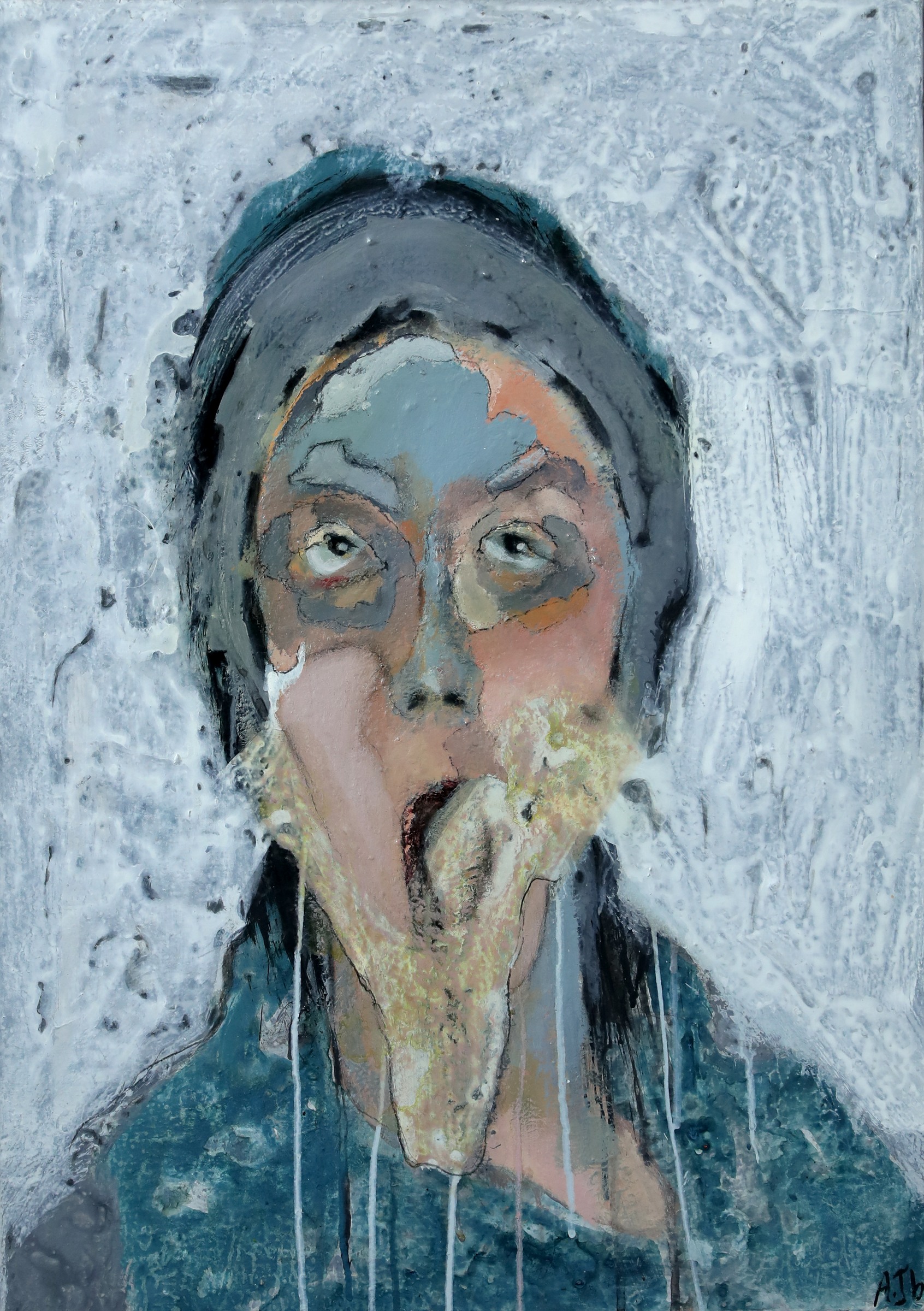
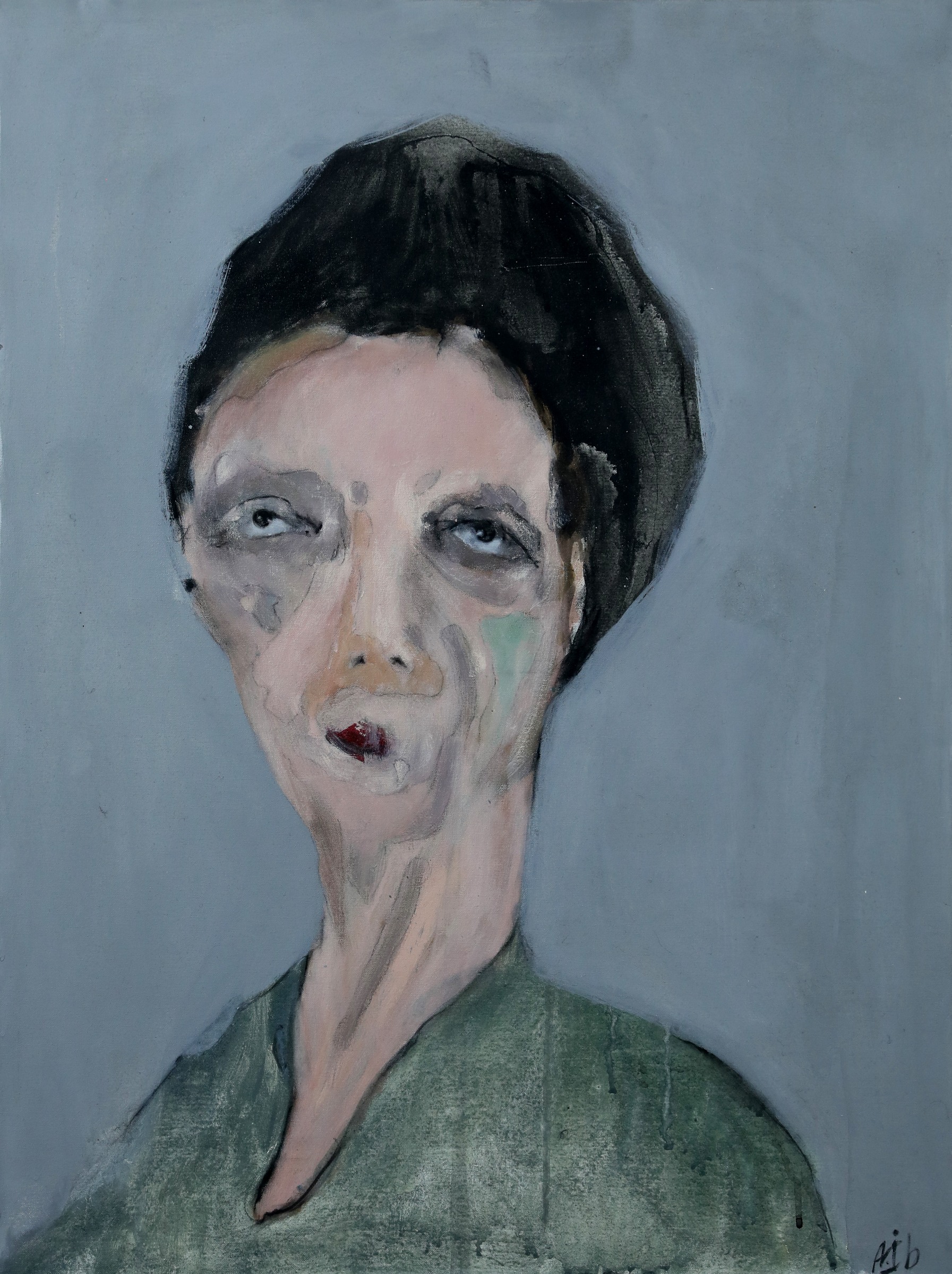
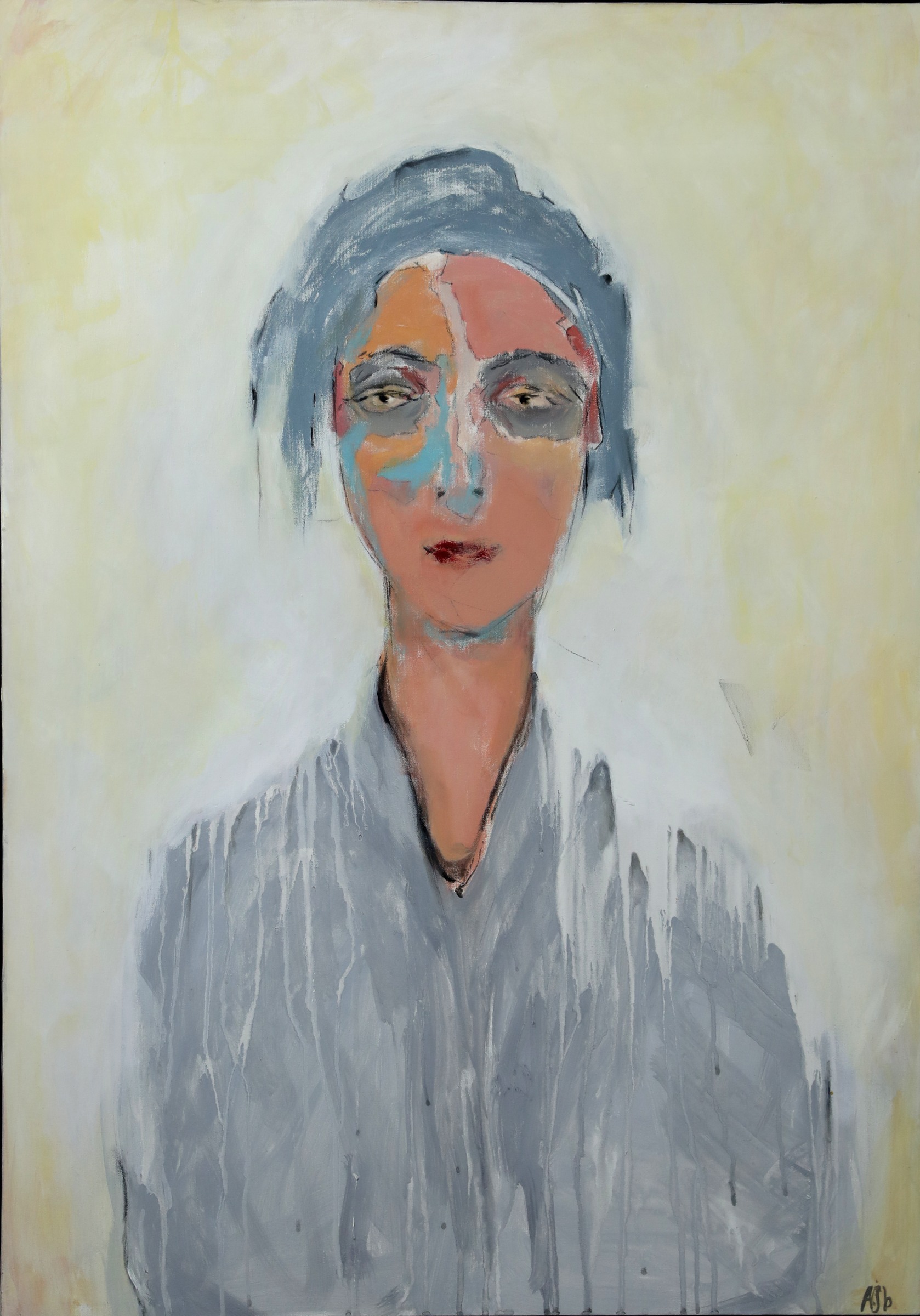
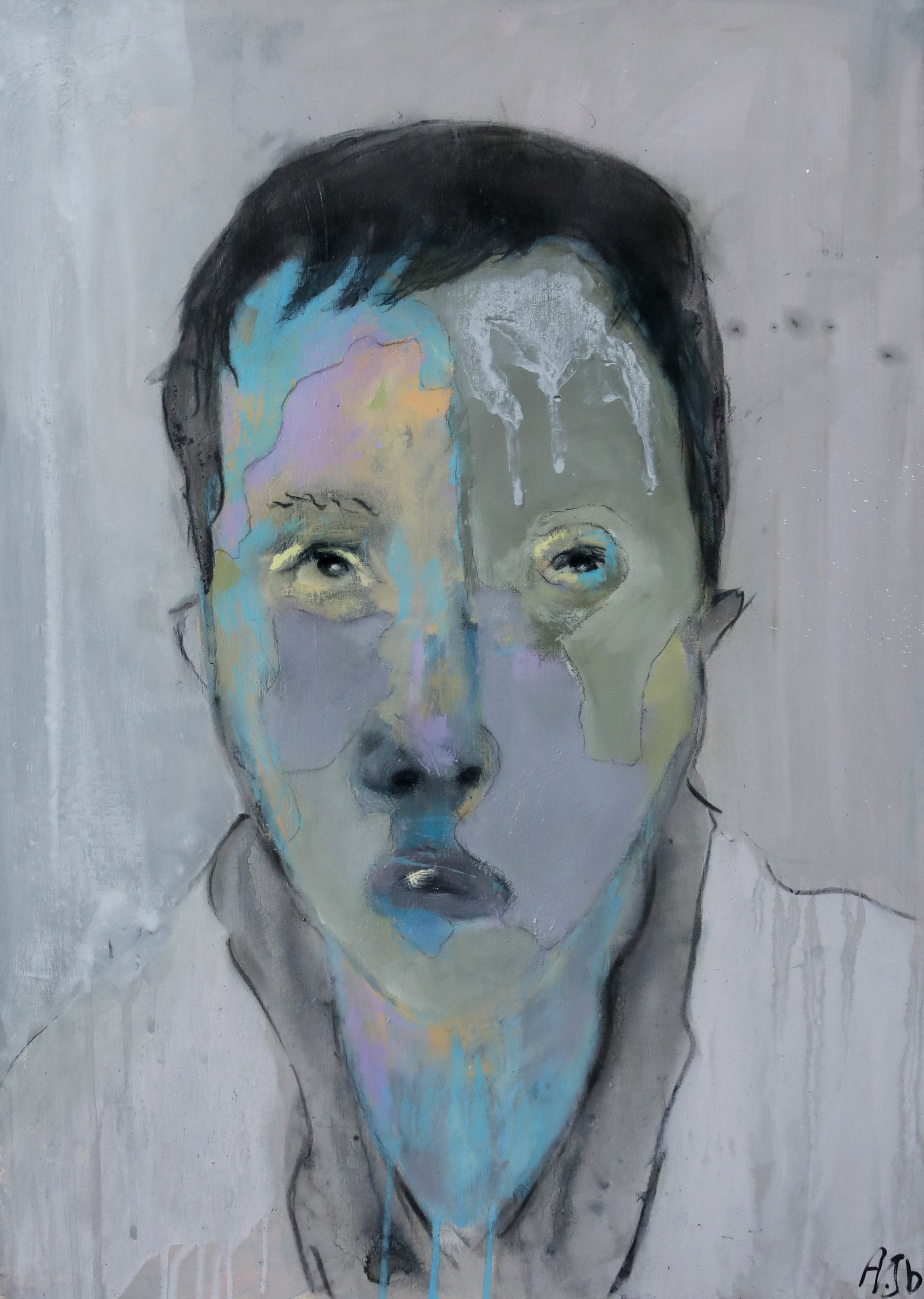
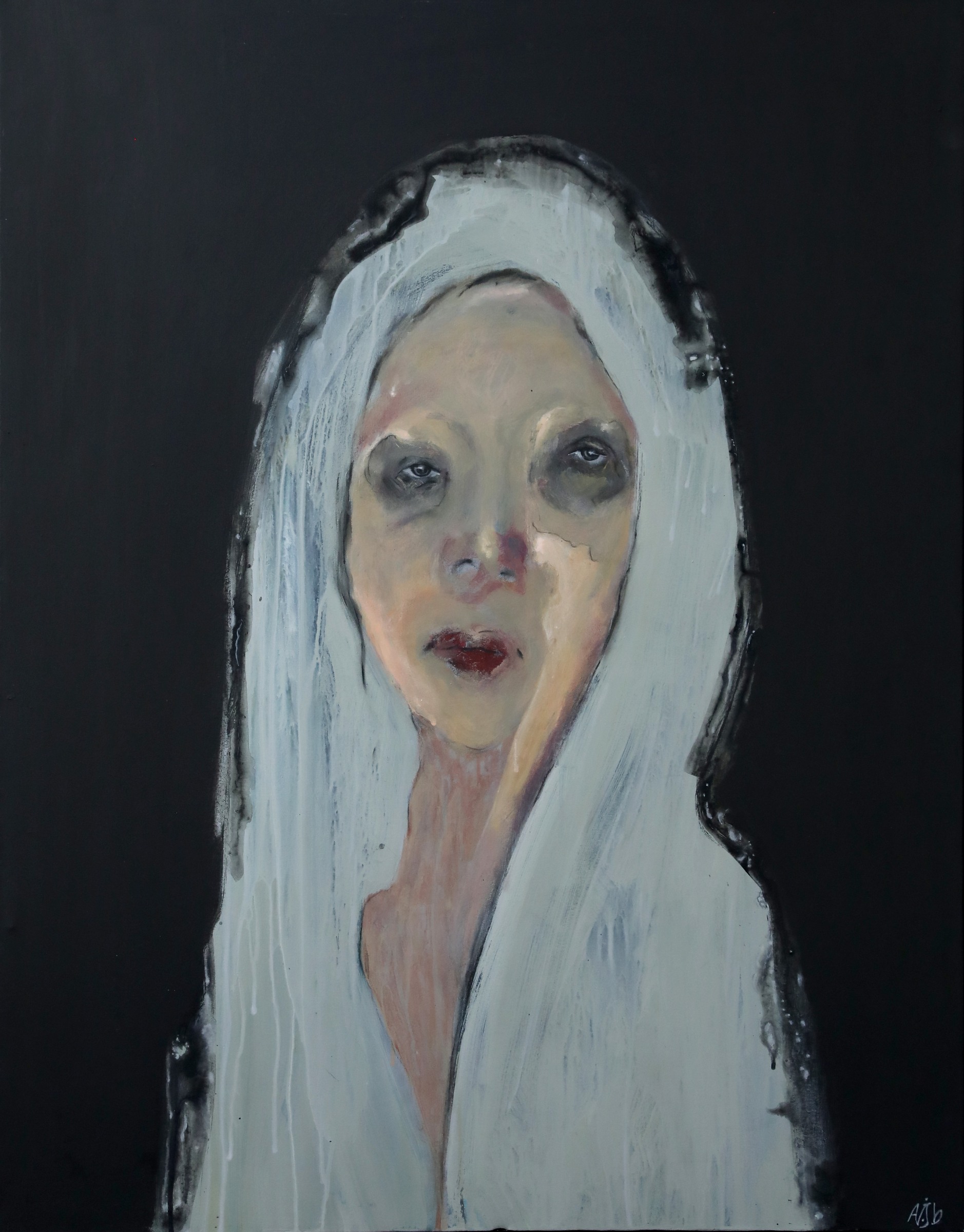
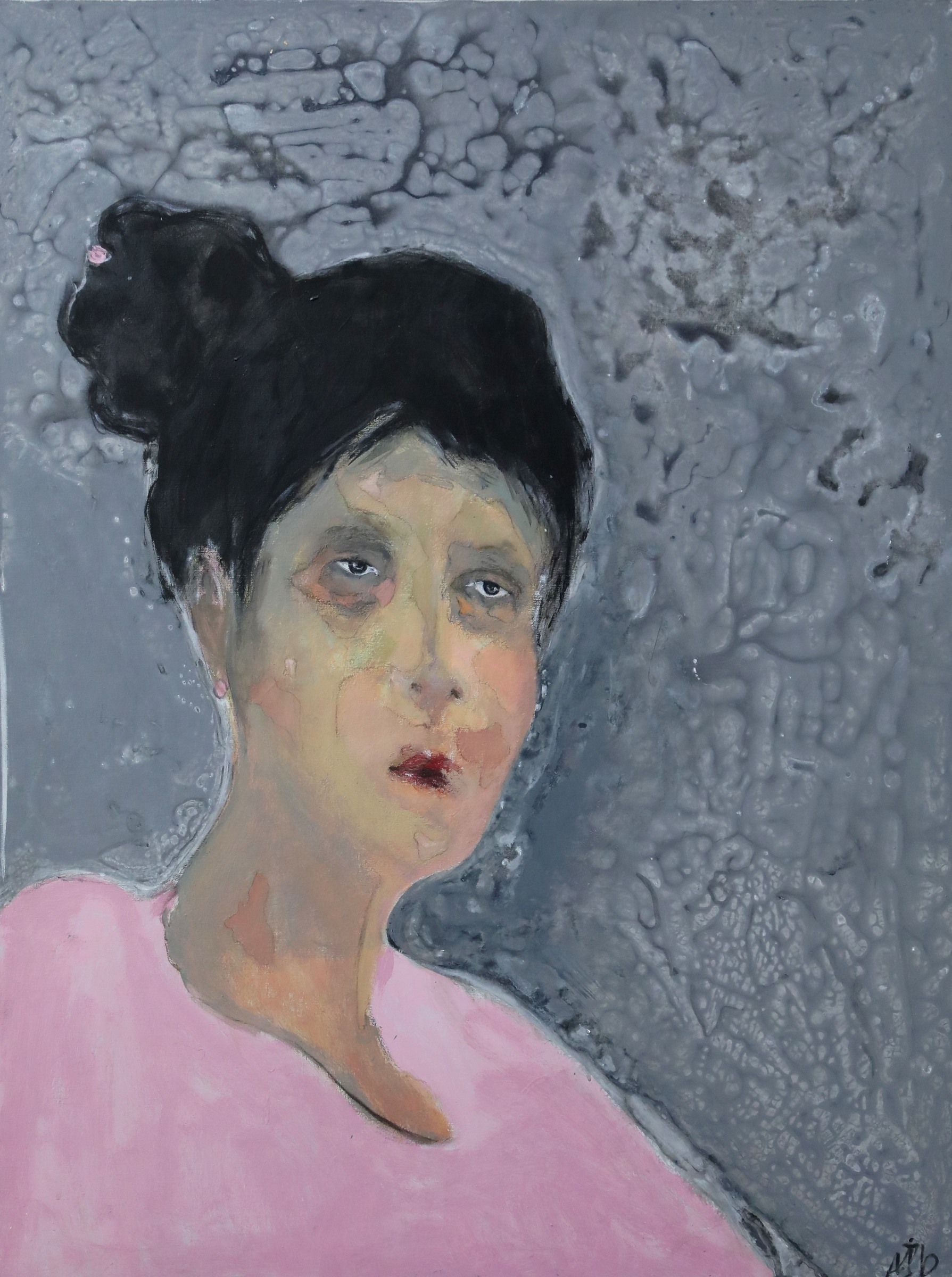
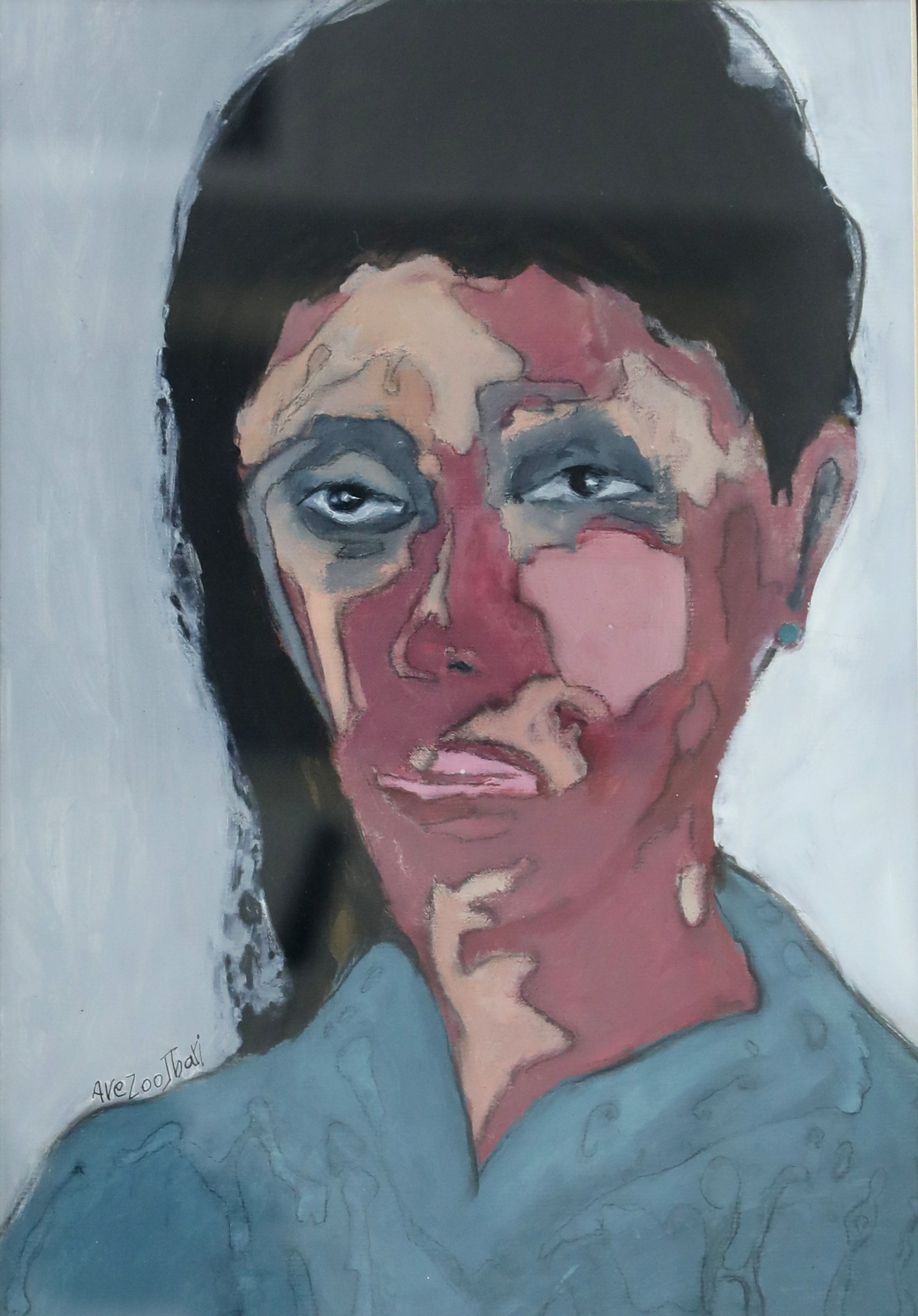
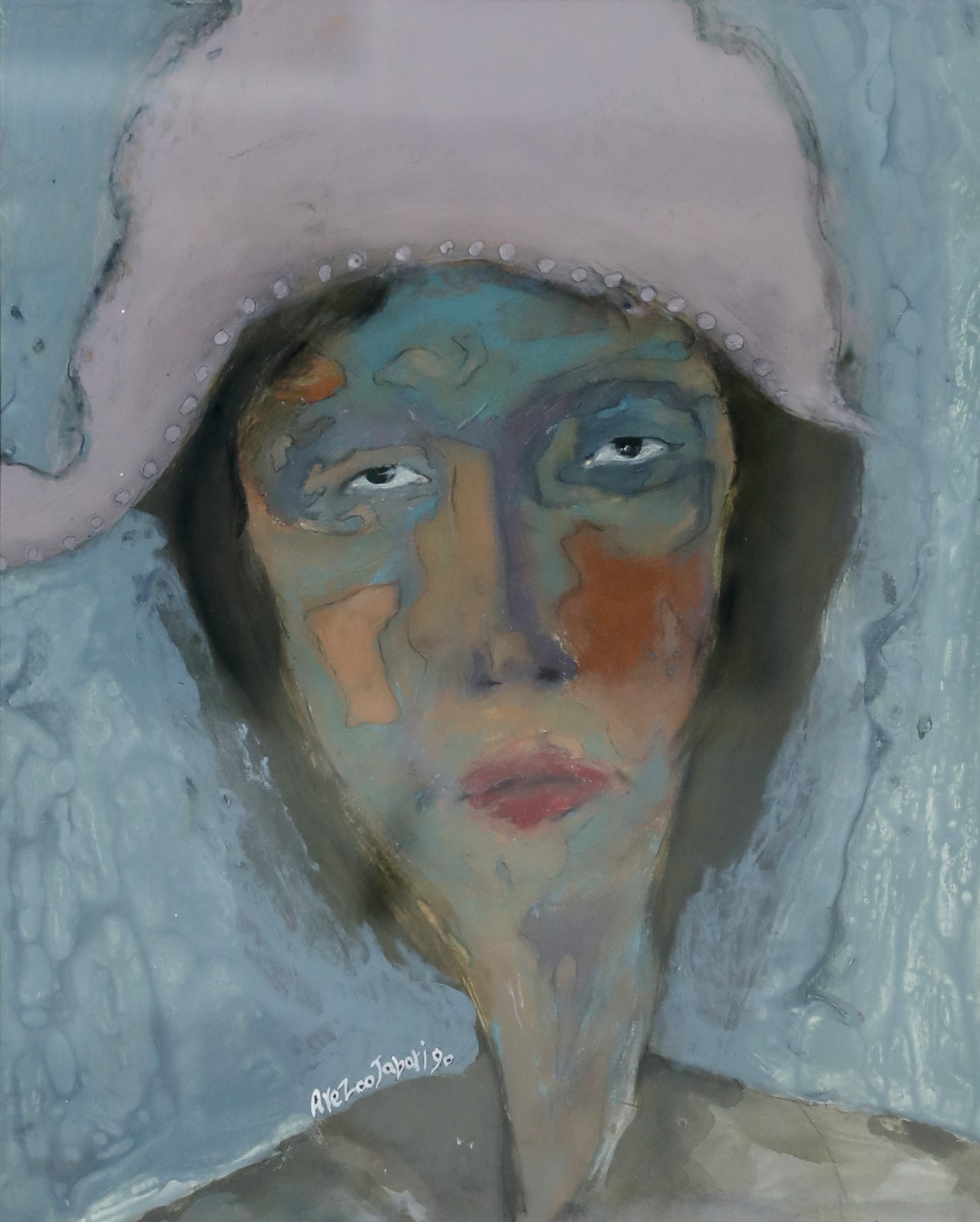
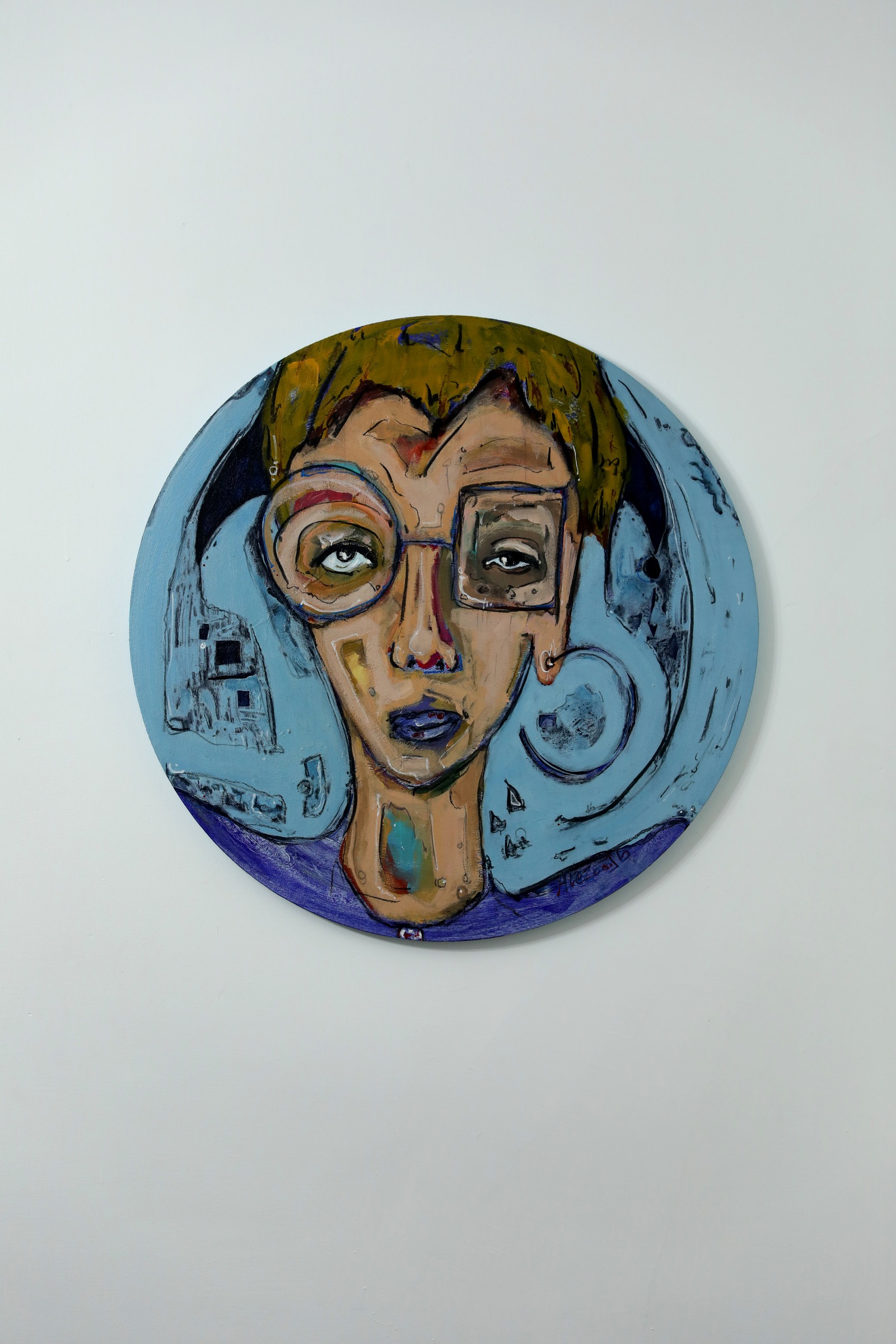
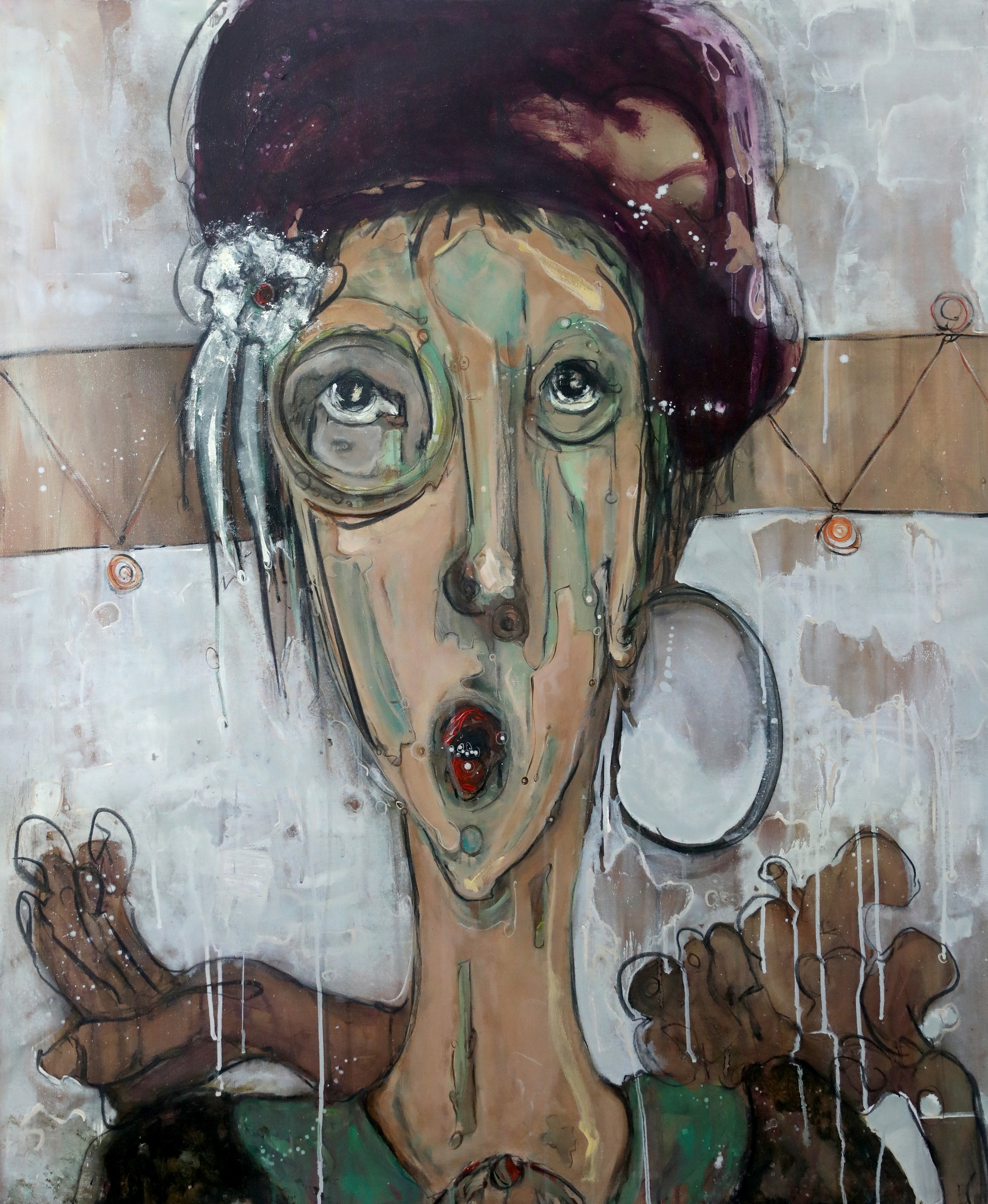
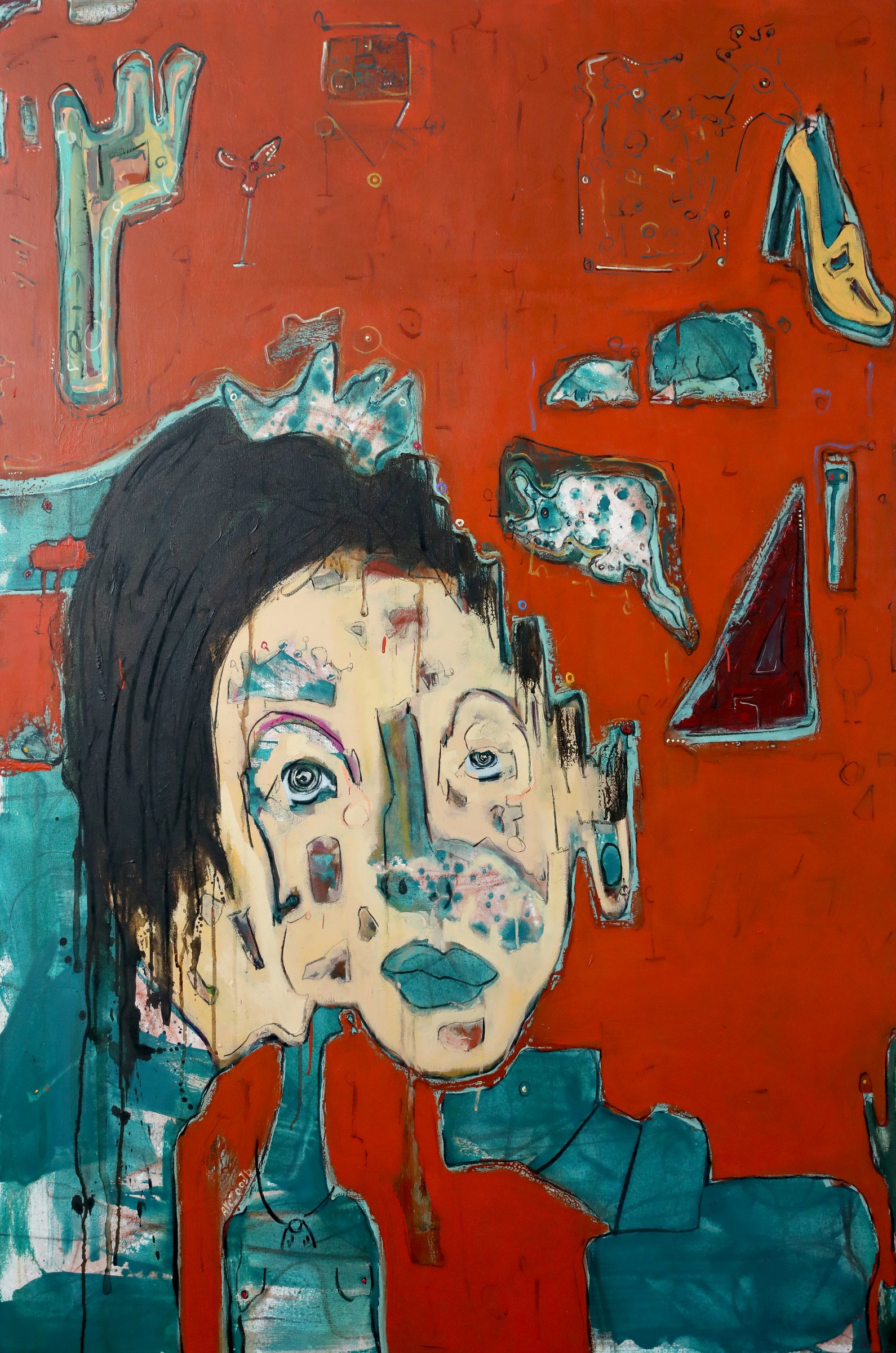
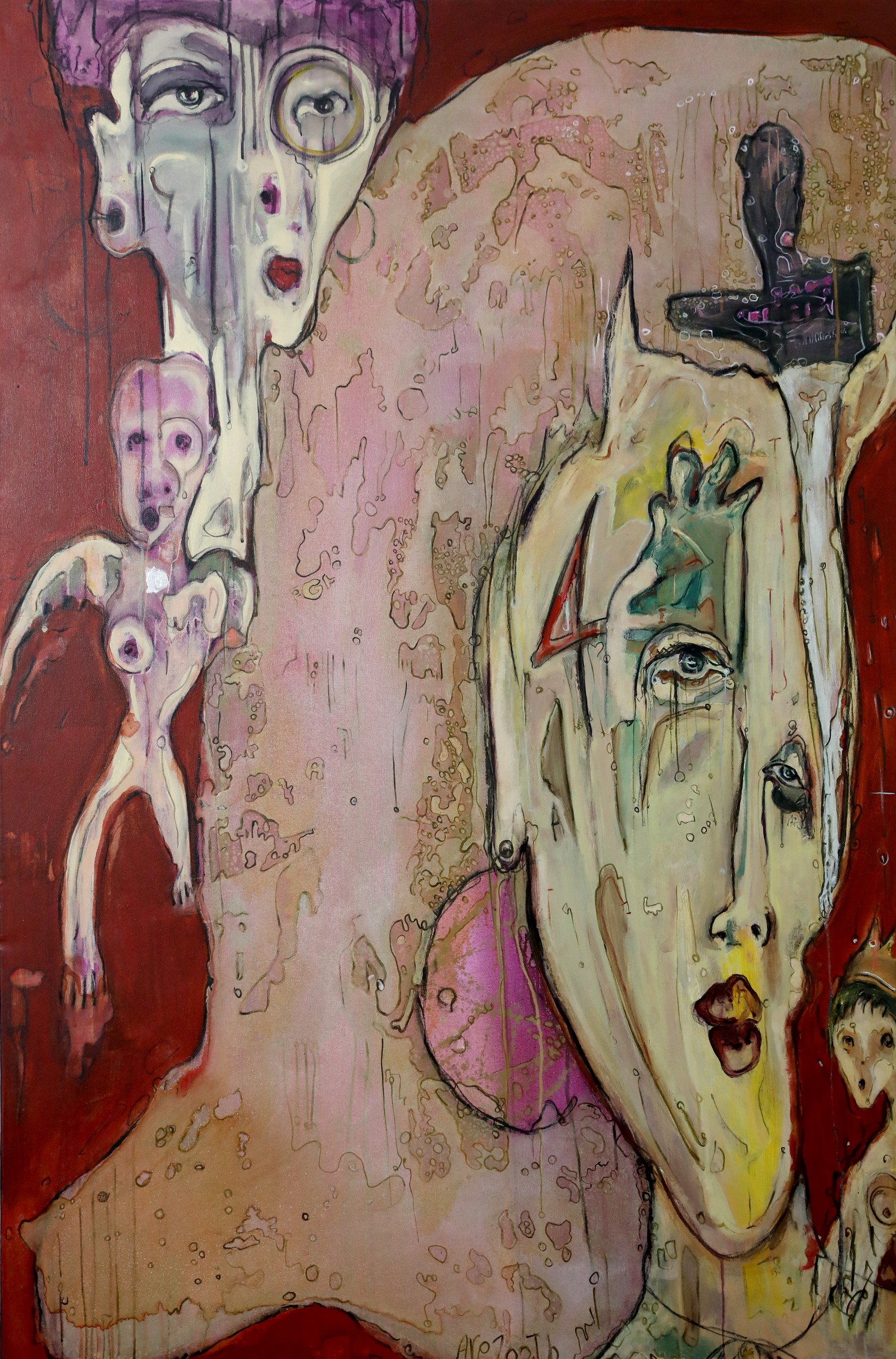
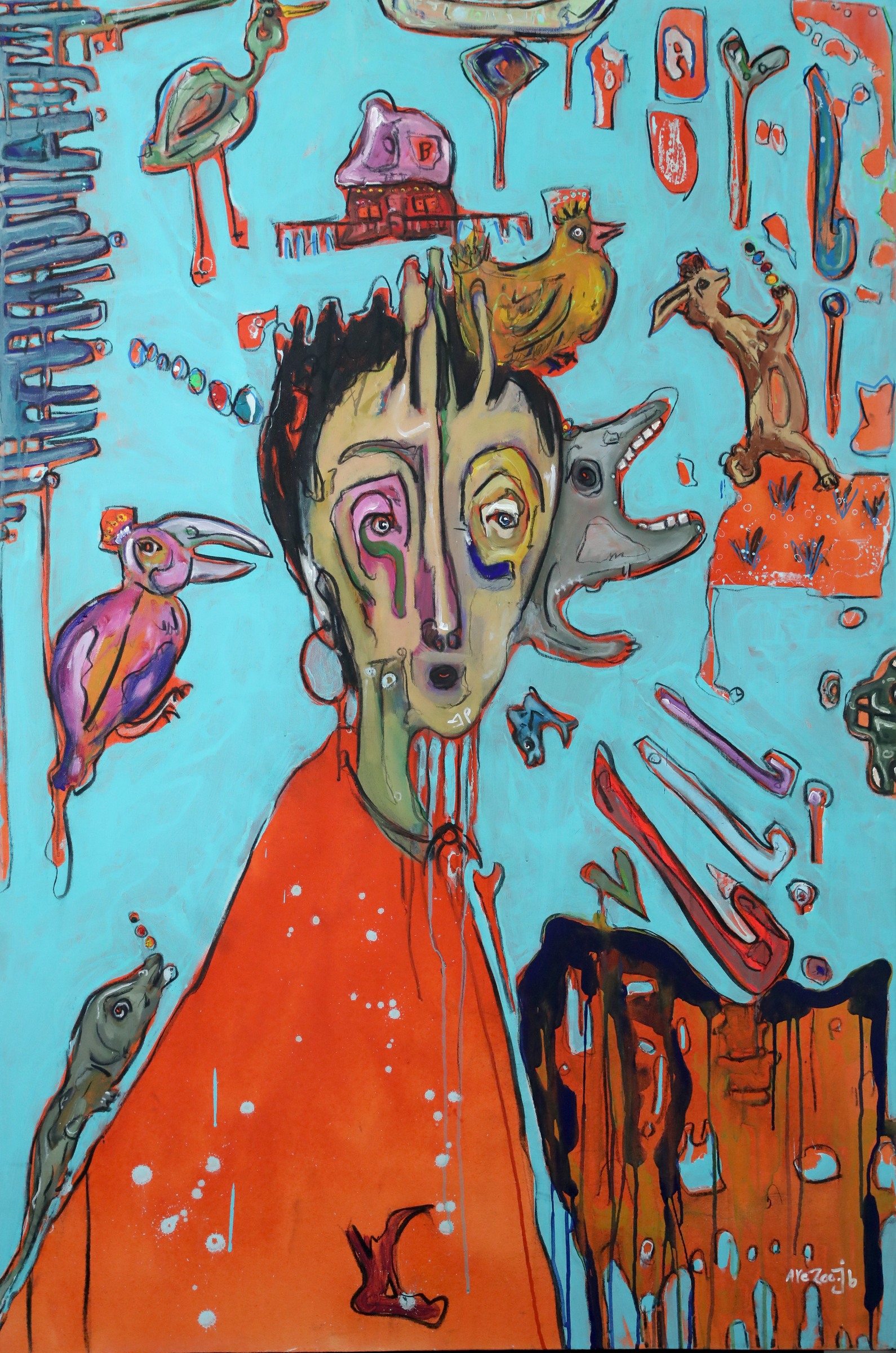
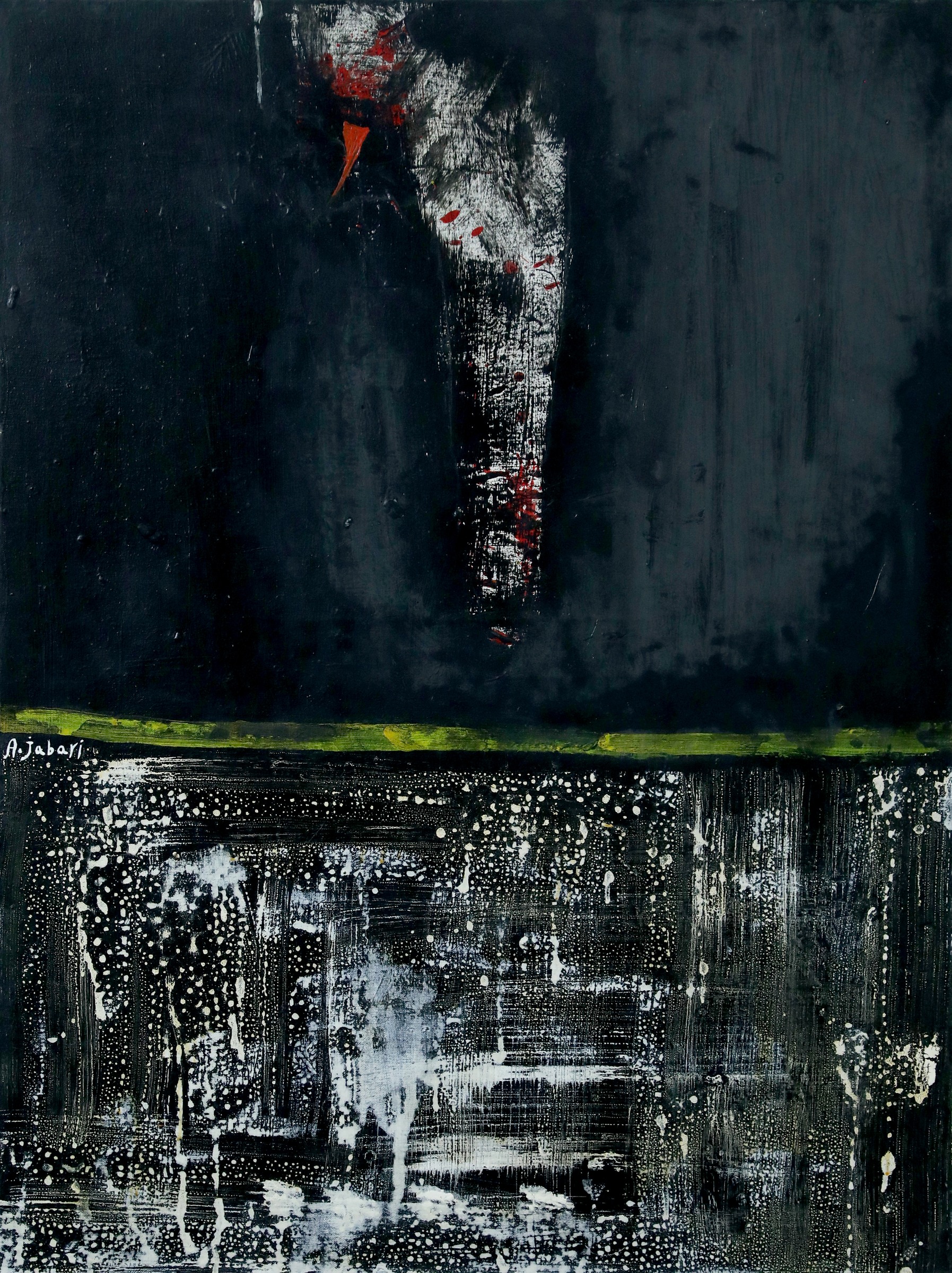
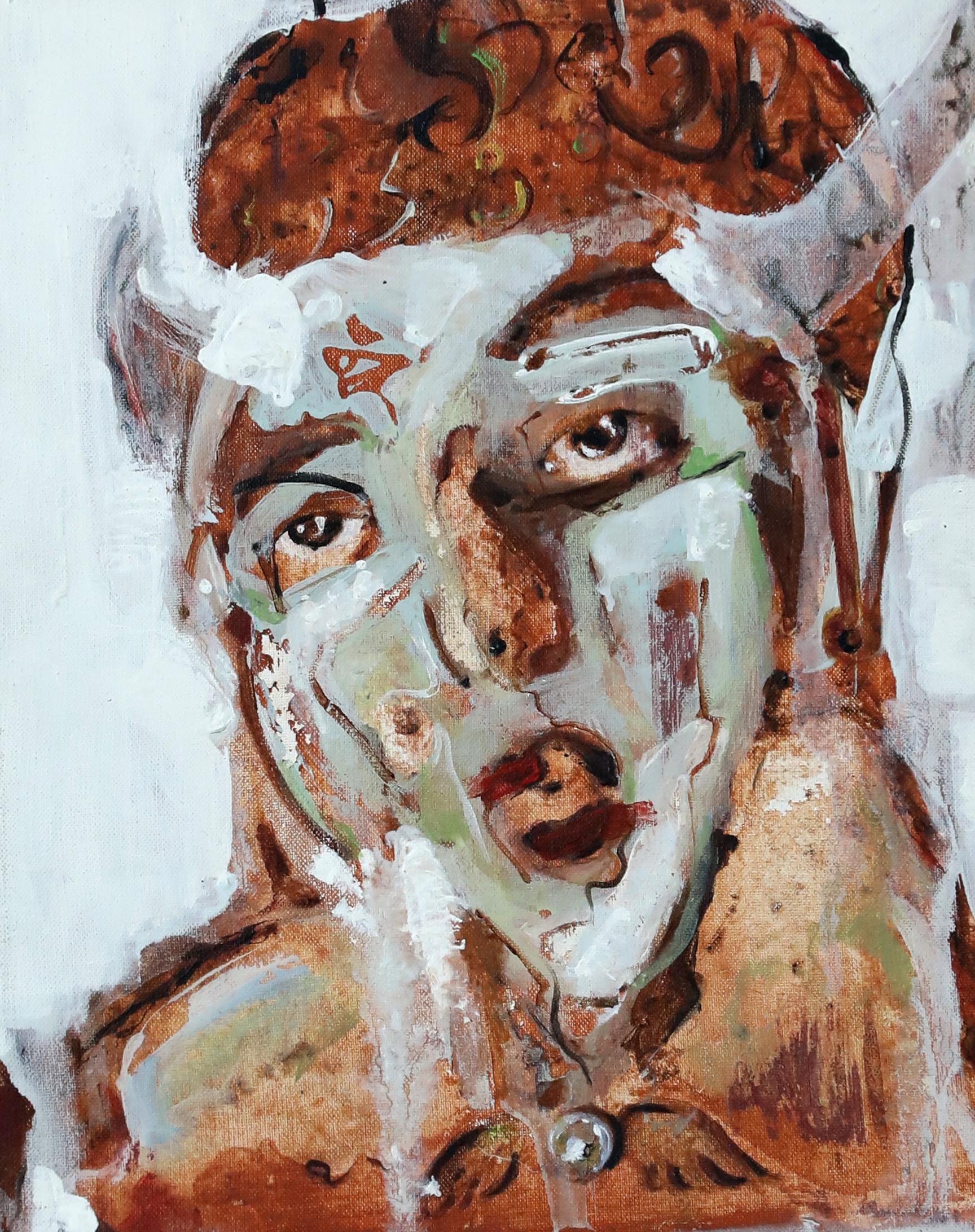
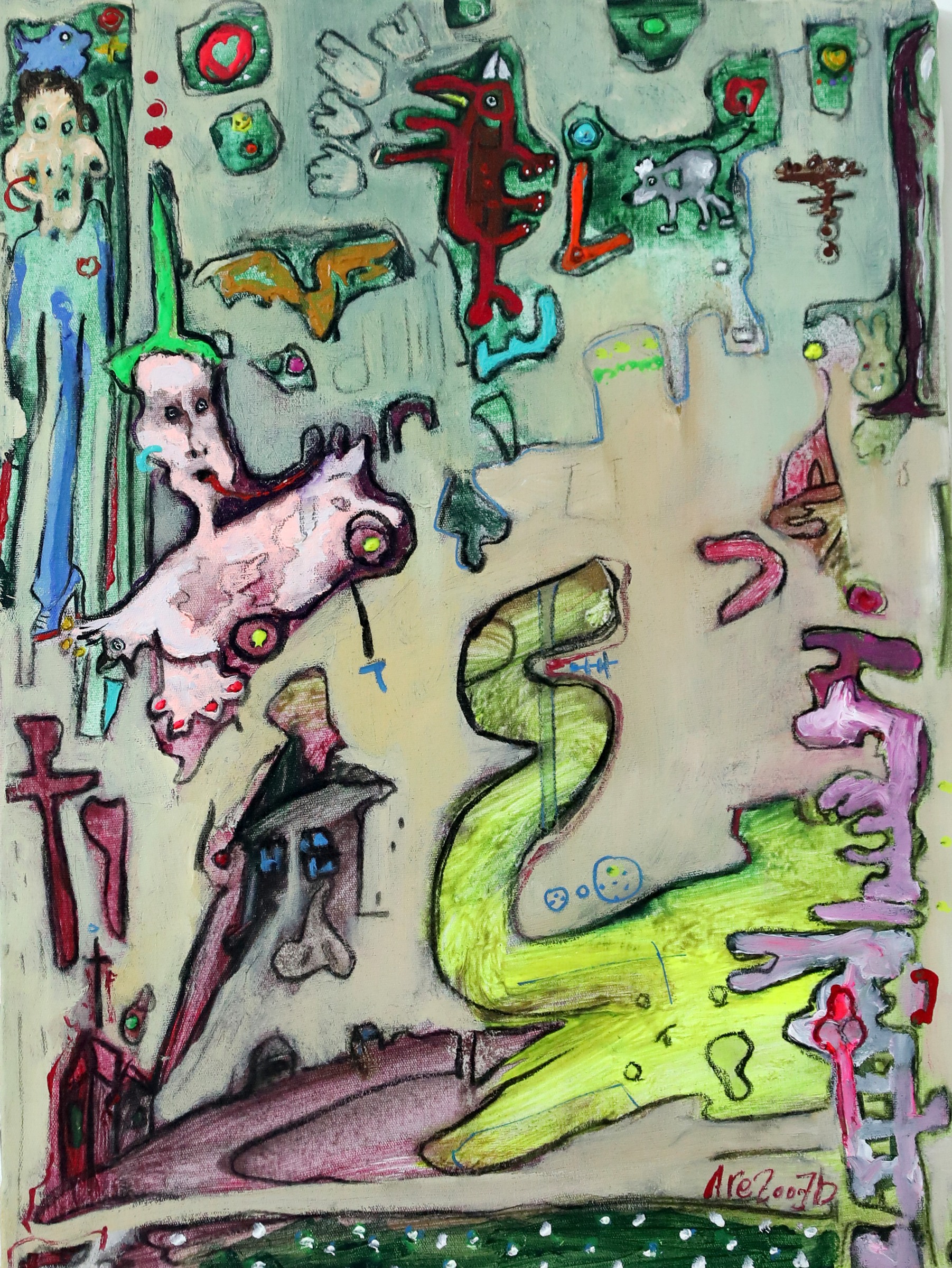
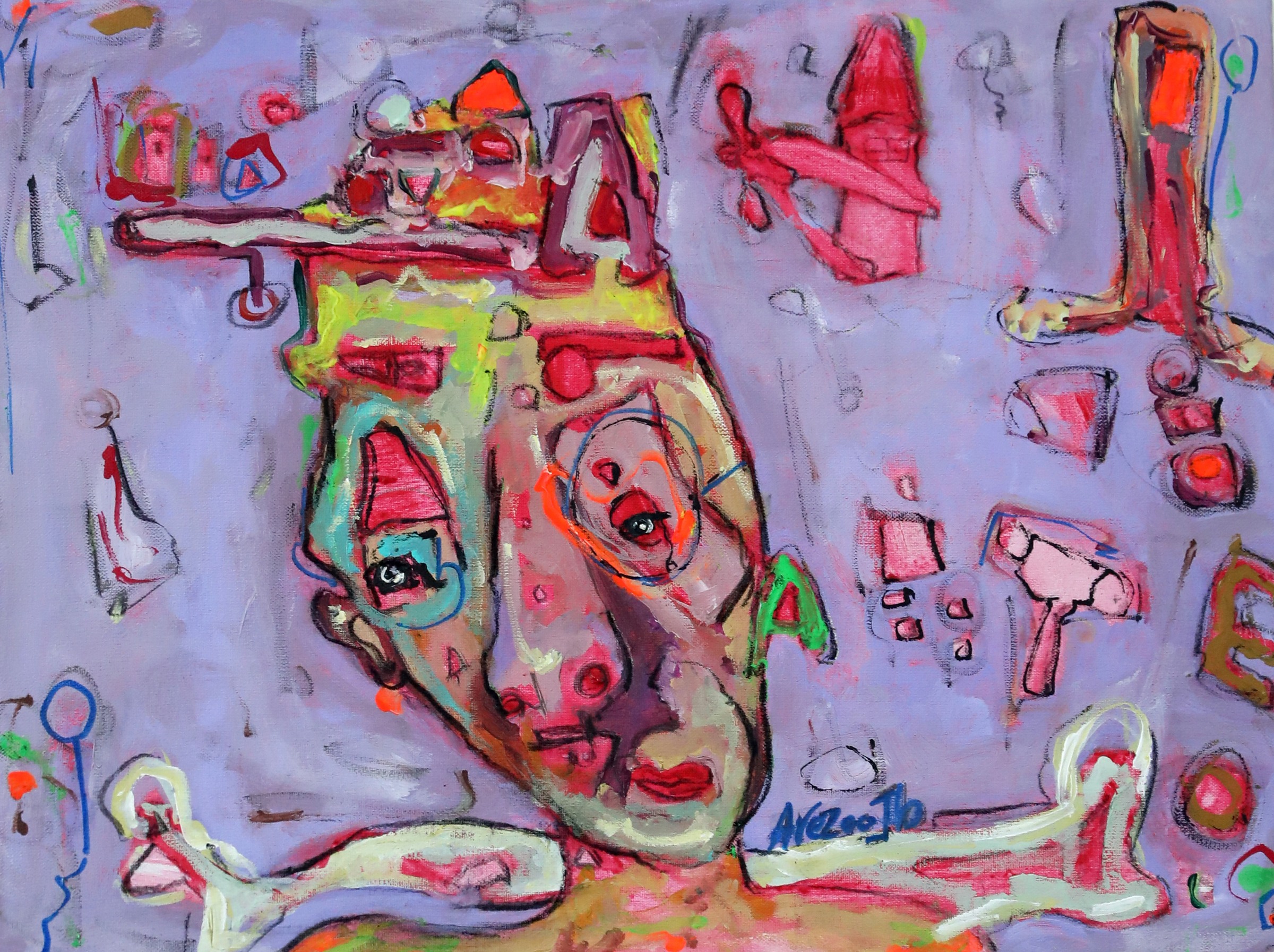
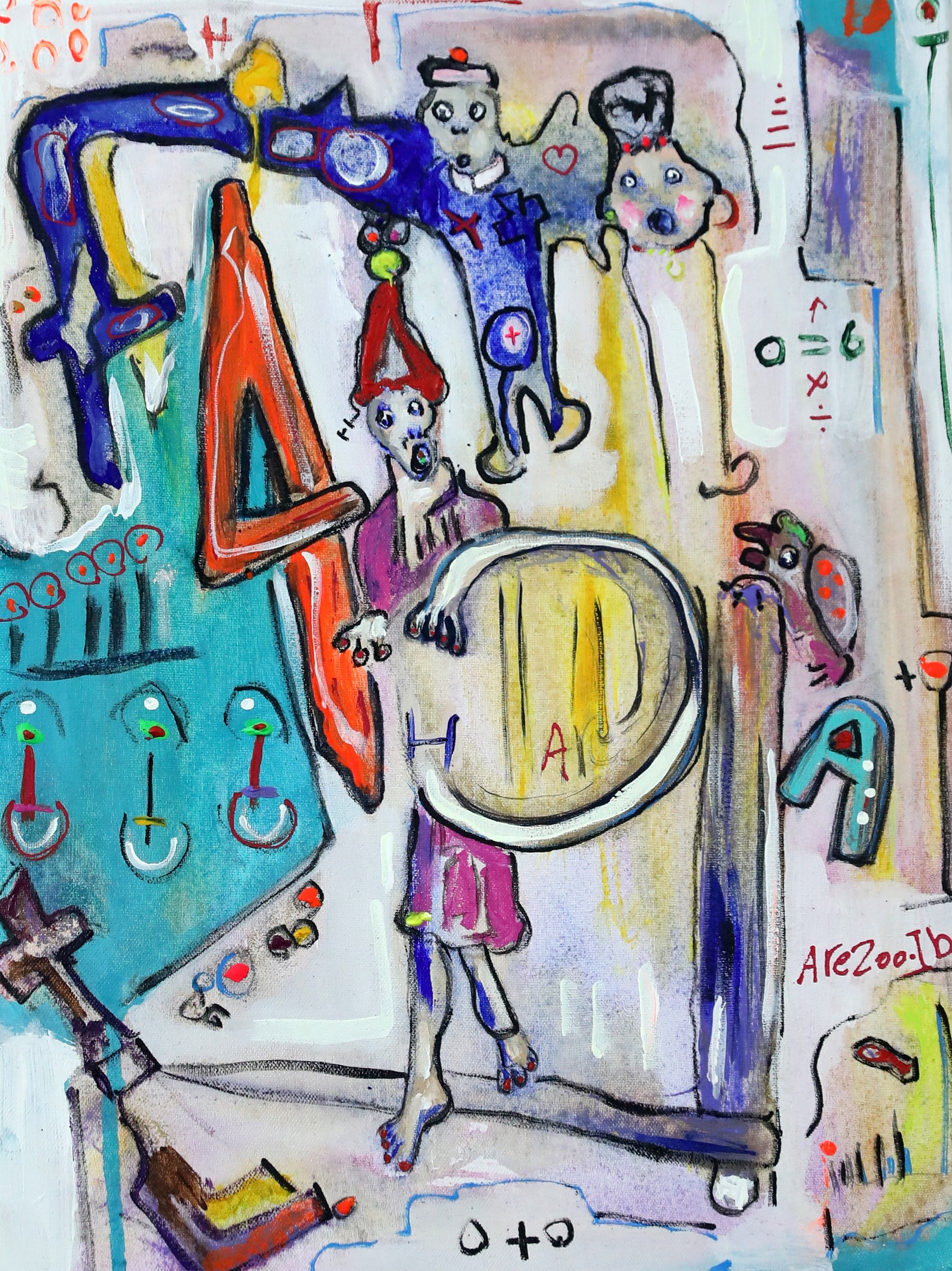
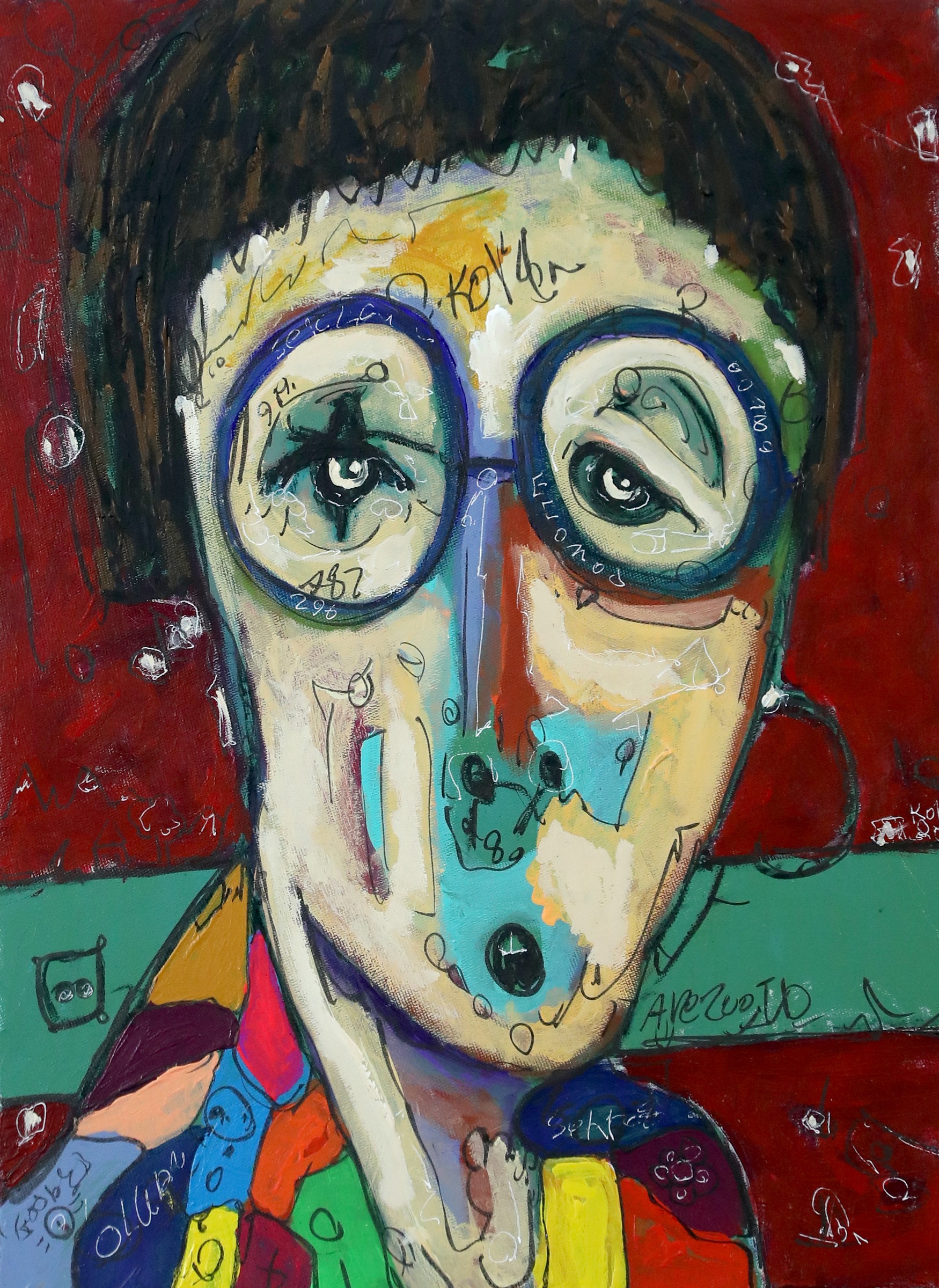
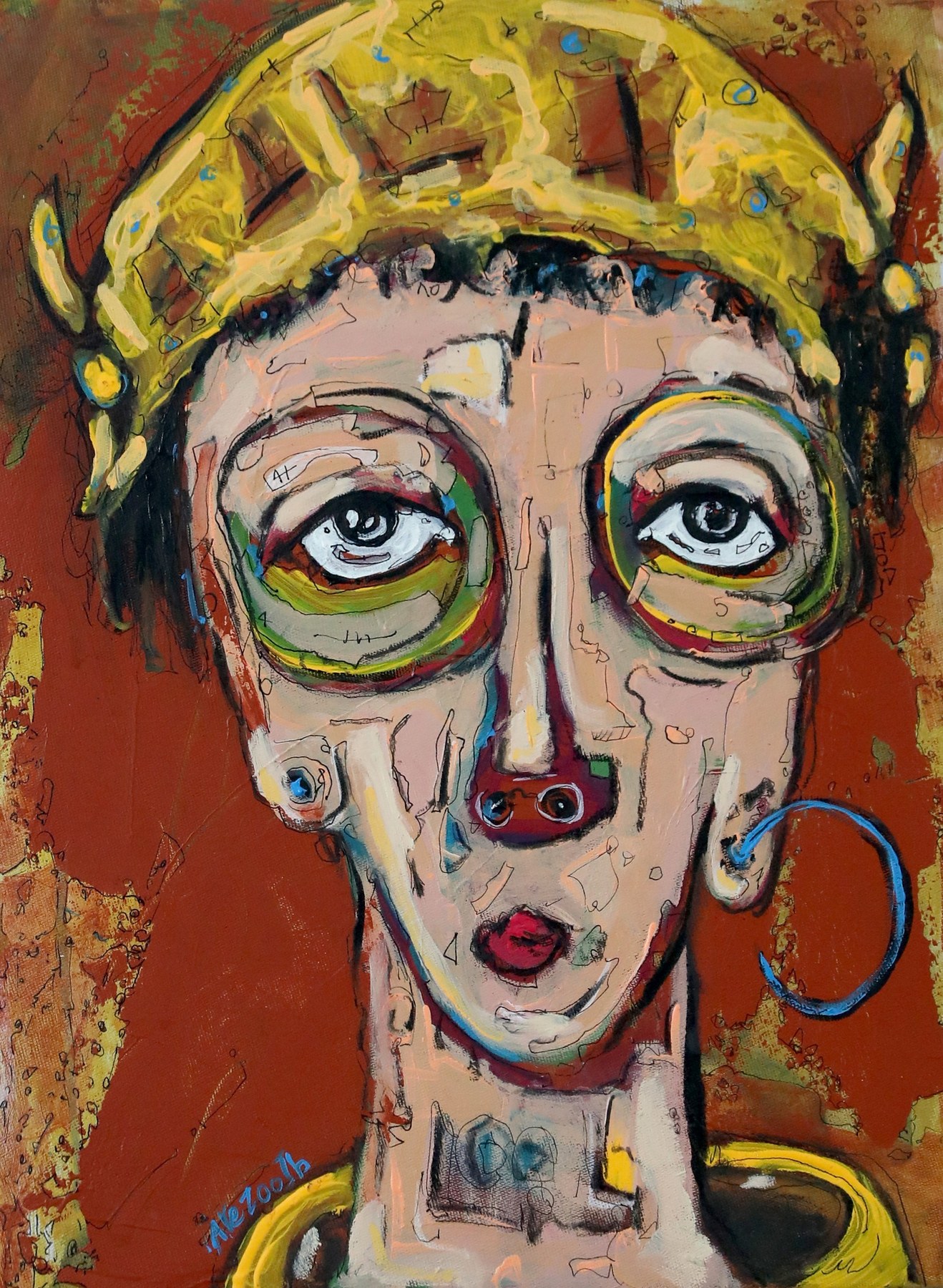
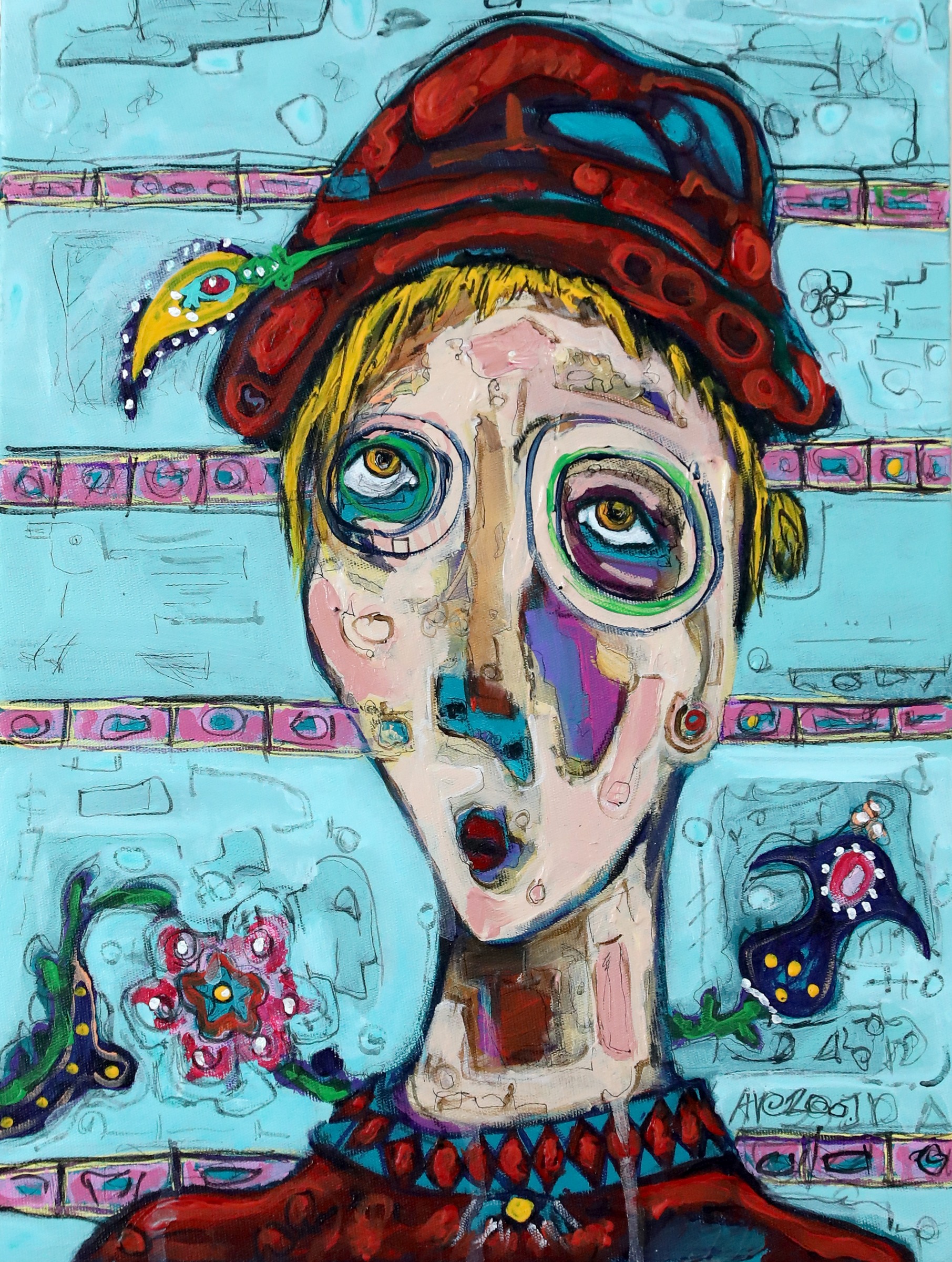
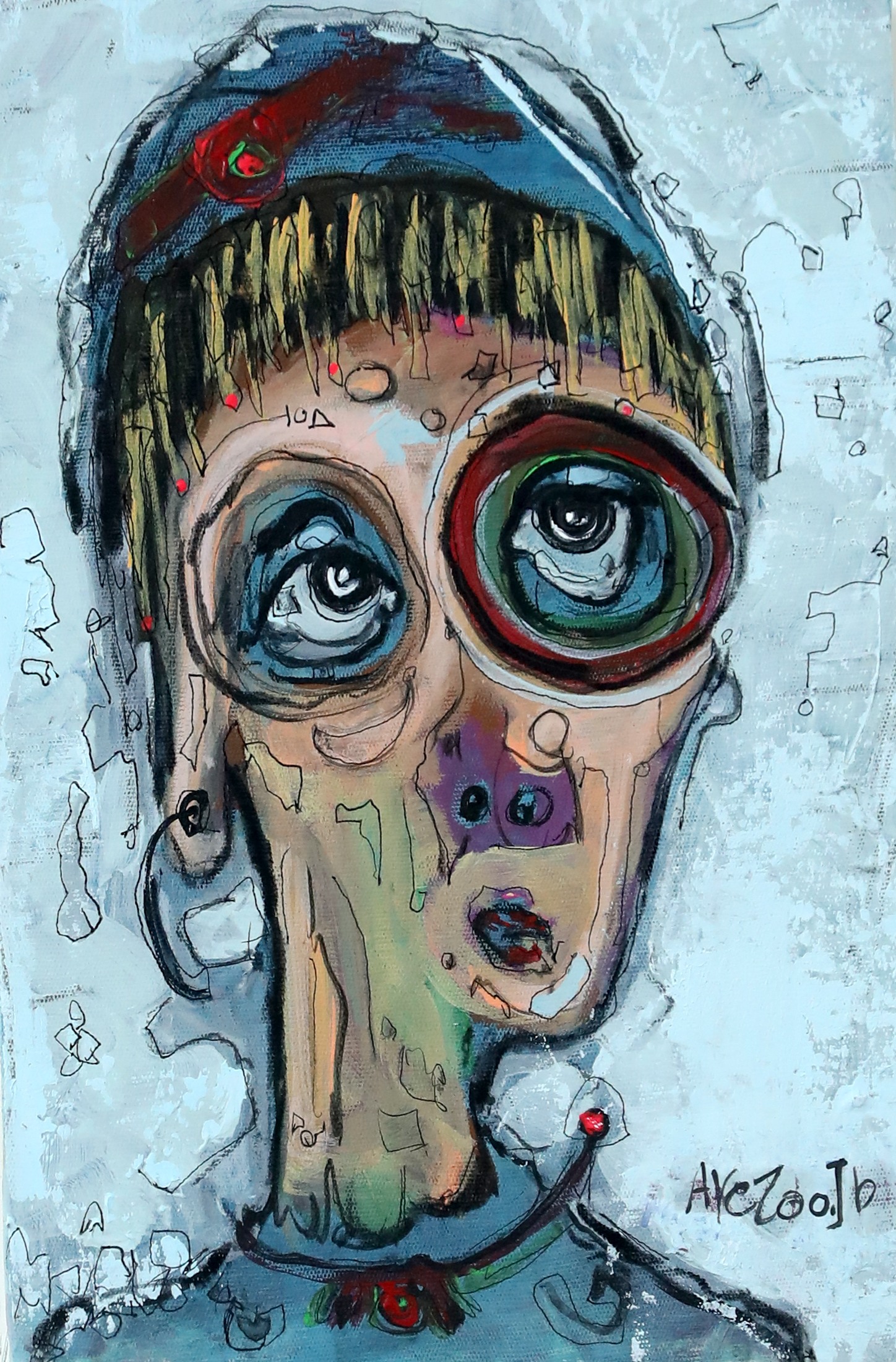
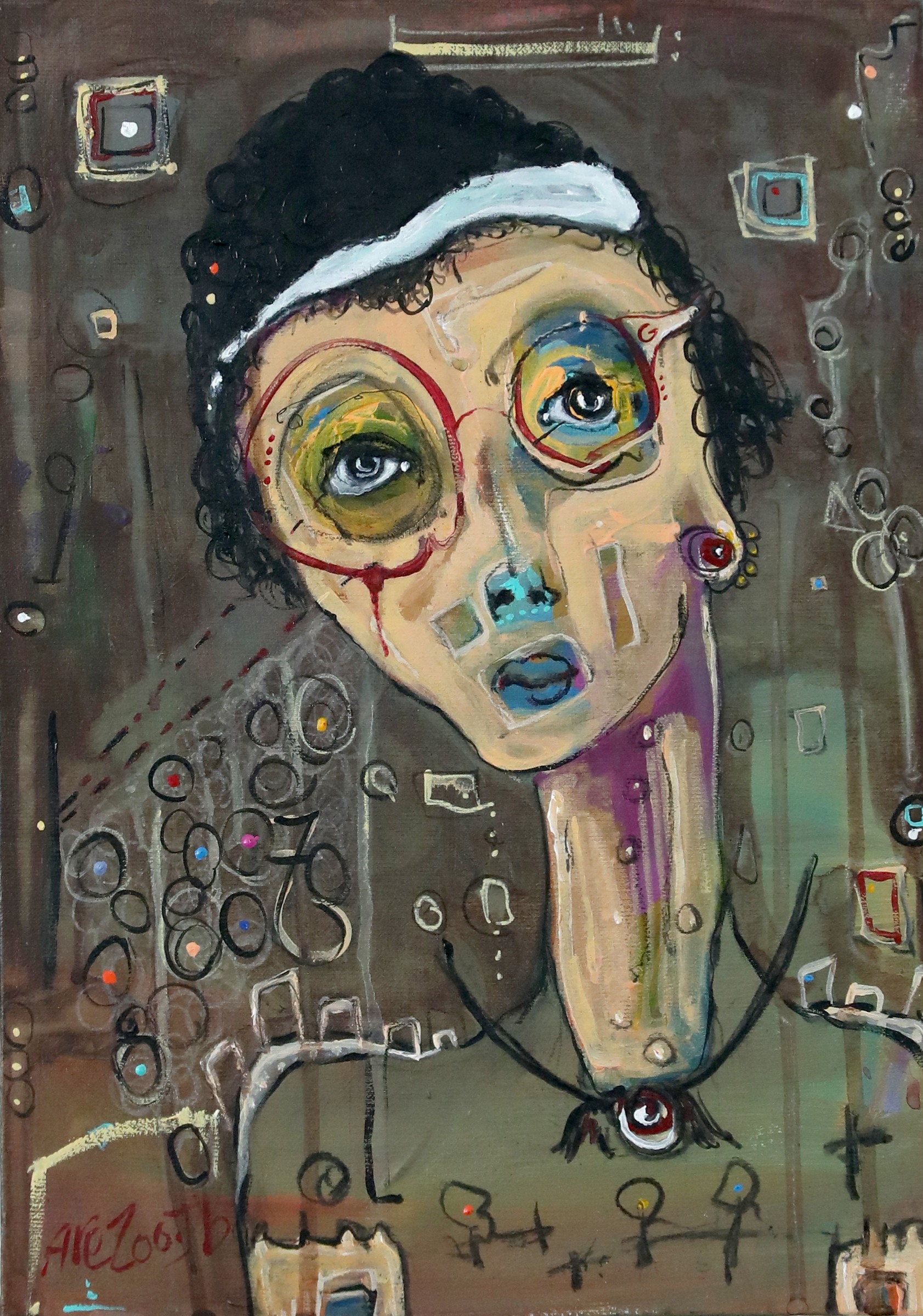
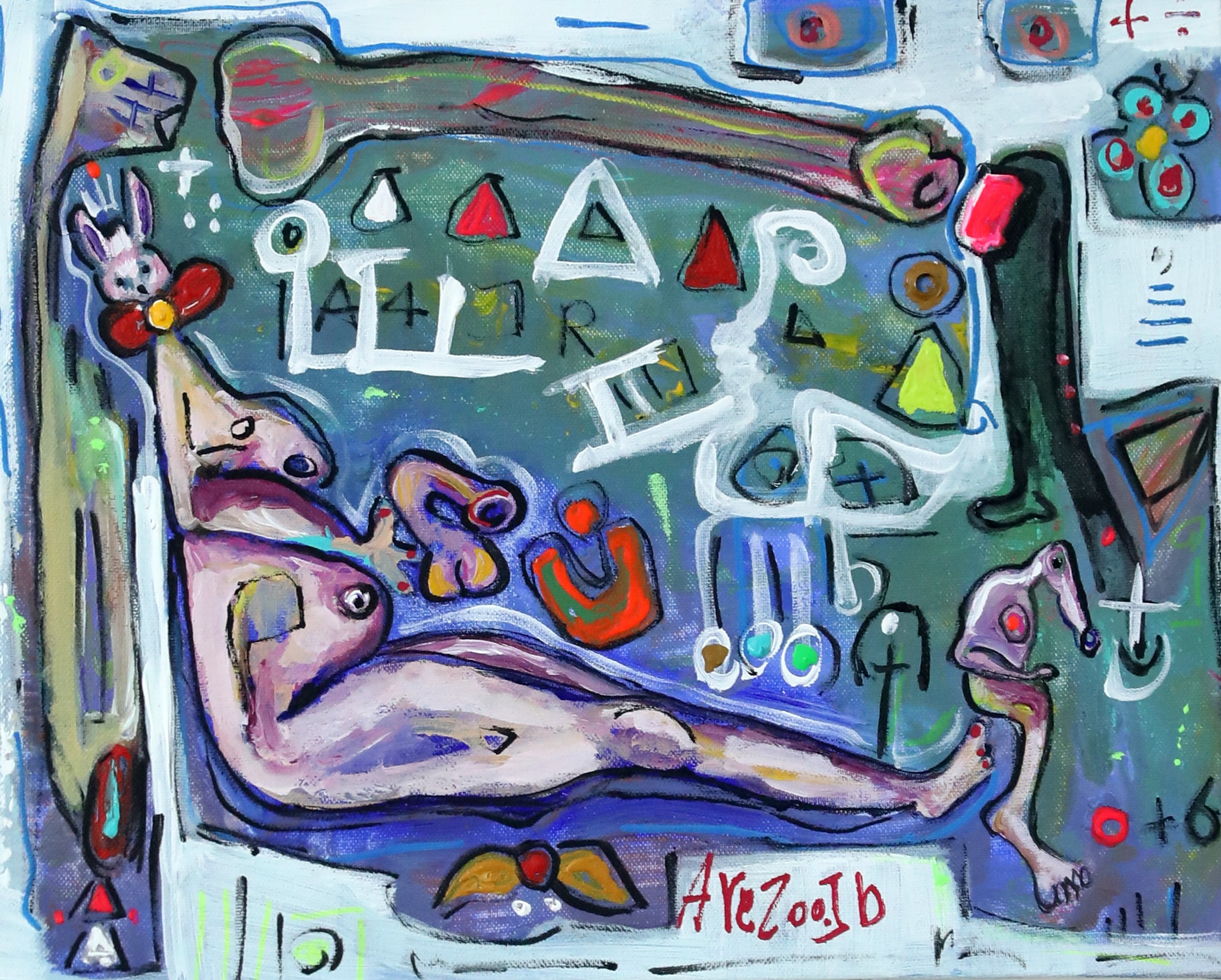
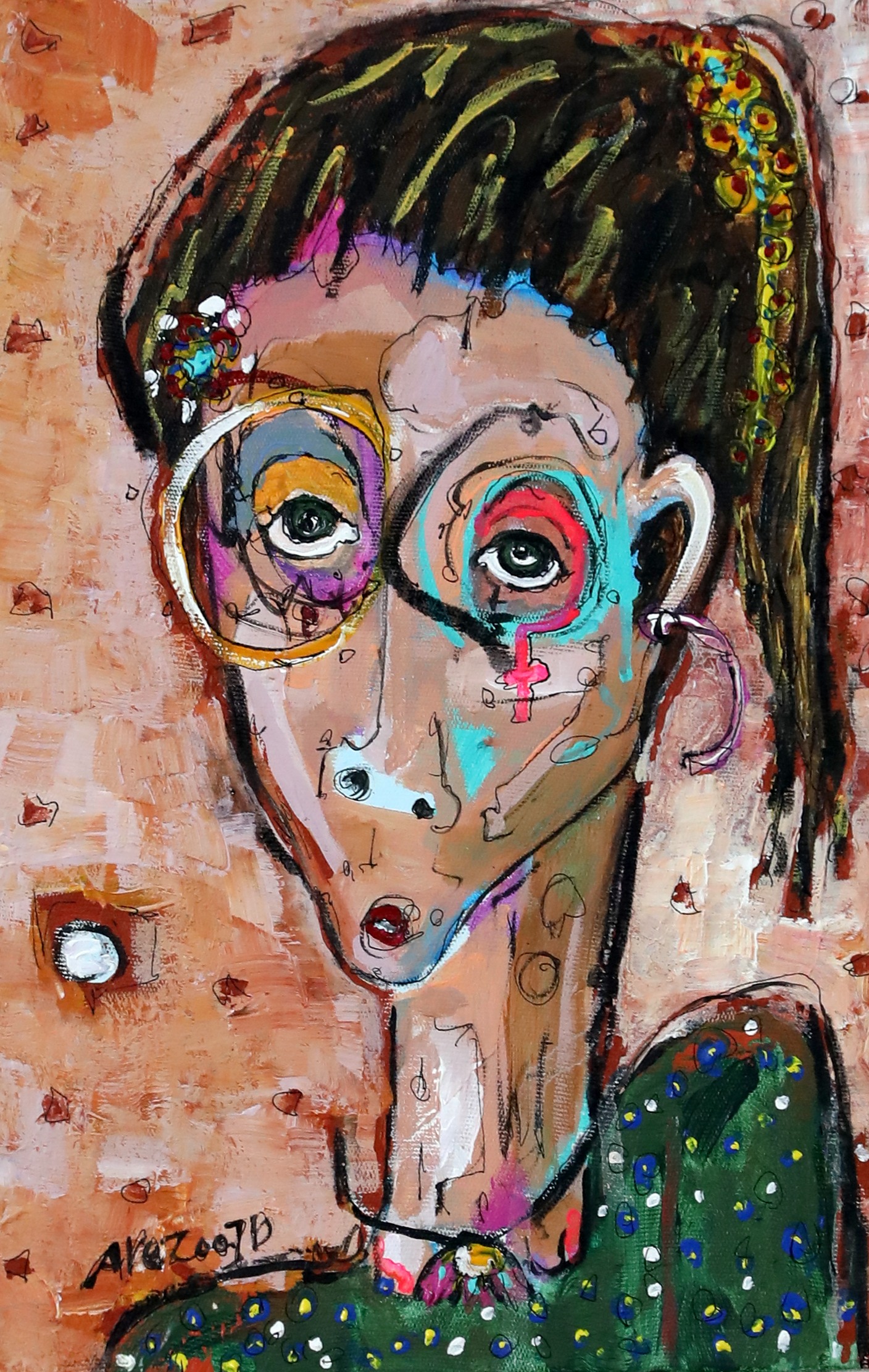
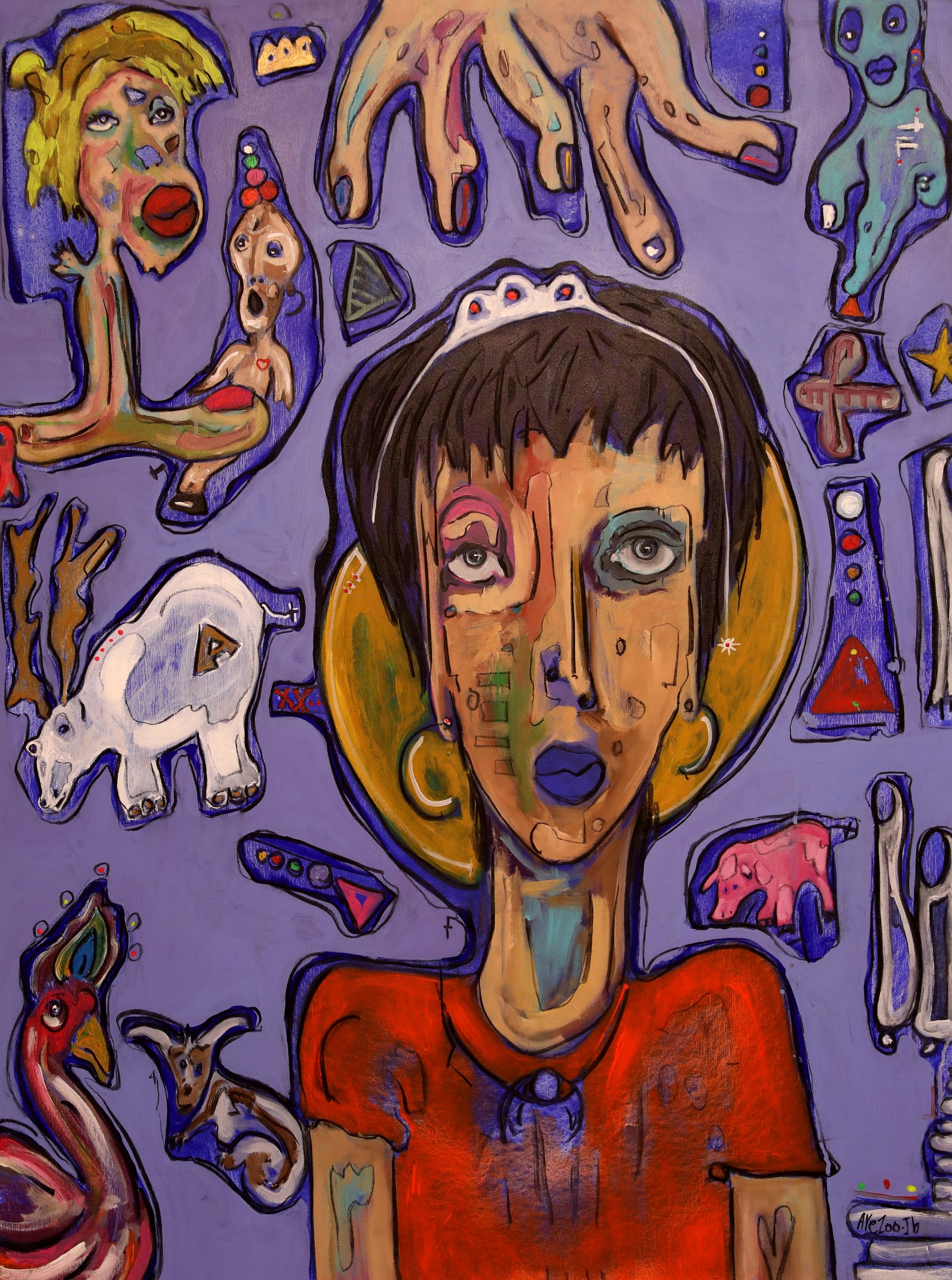
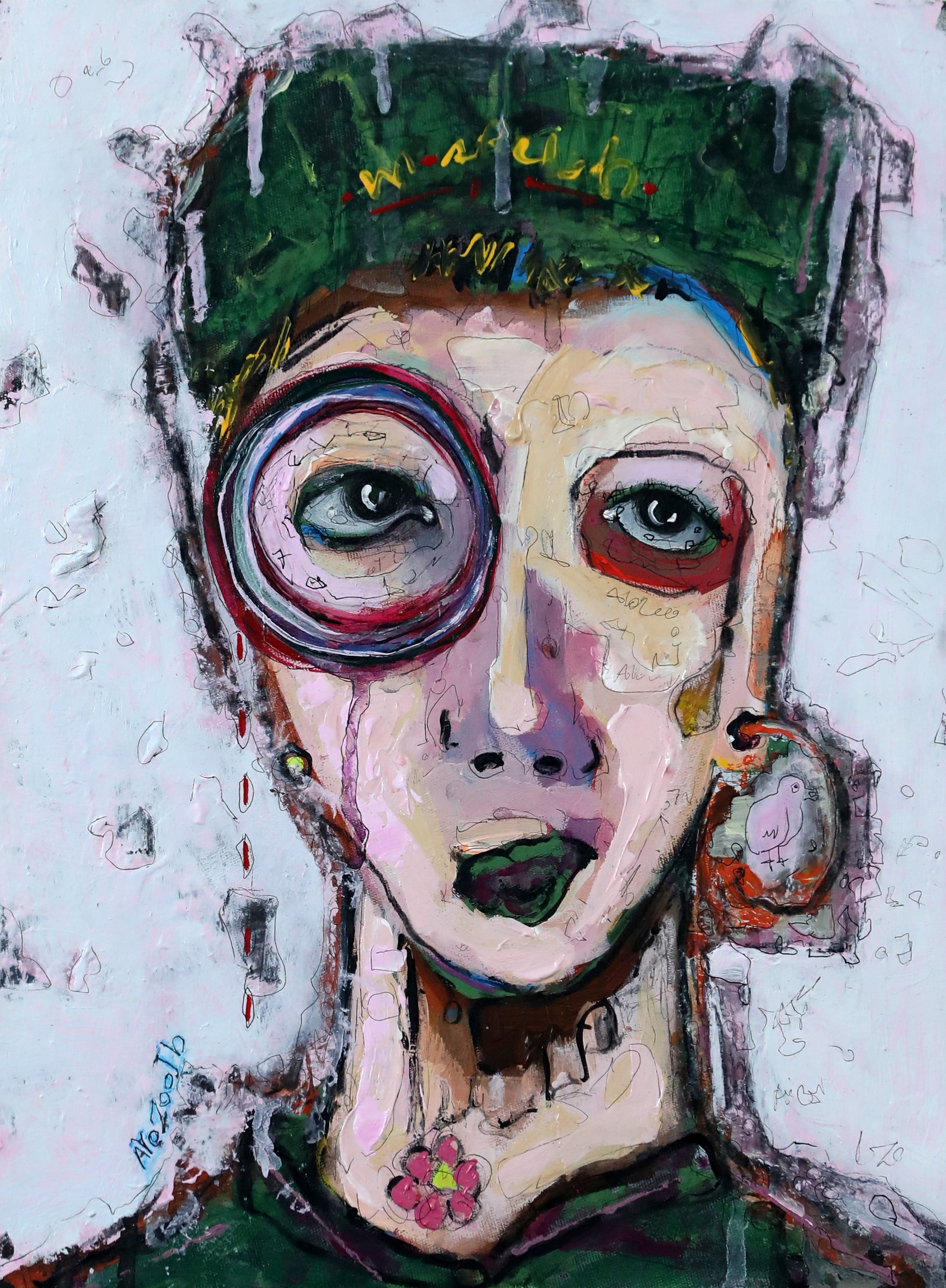
Arezoo Jabbari (born 1987 in Tehran) is an Iranian painter whose practice is centered on portraiture, improvisation and an intuitive response to lived experience.
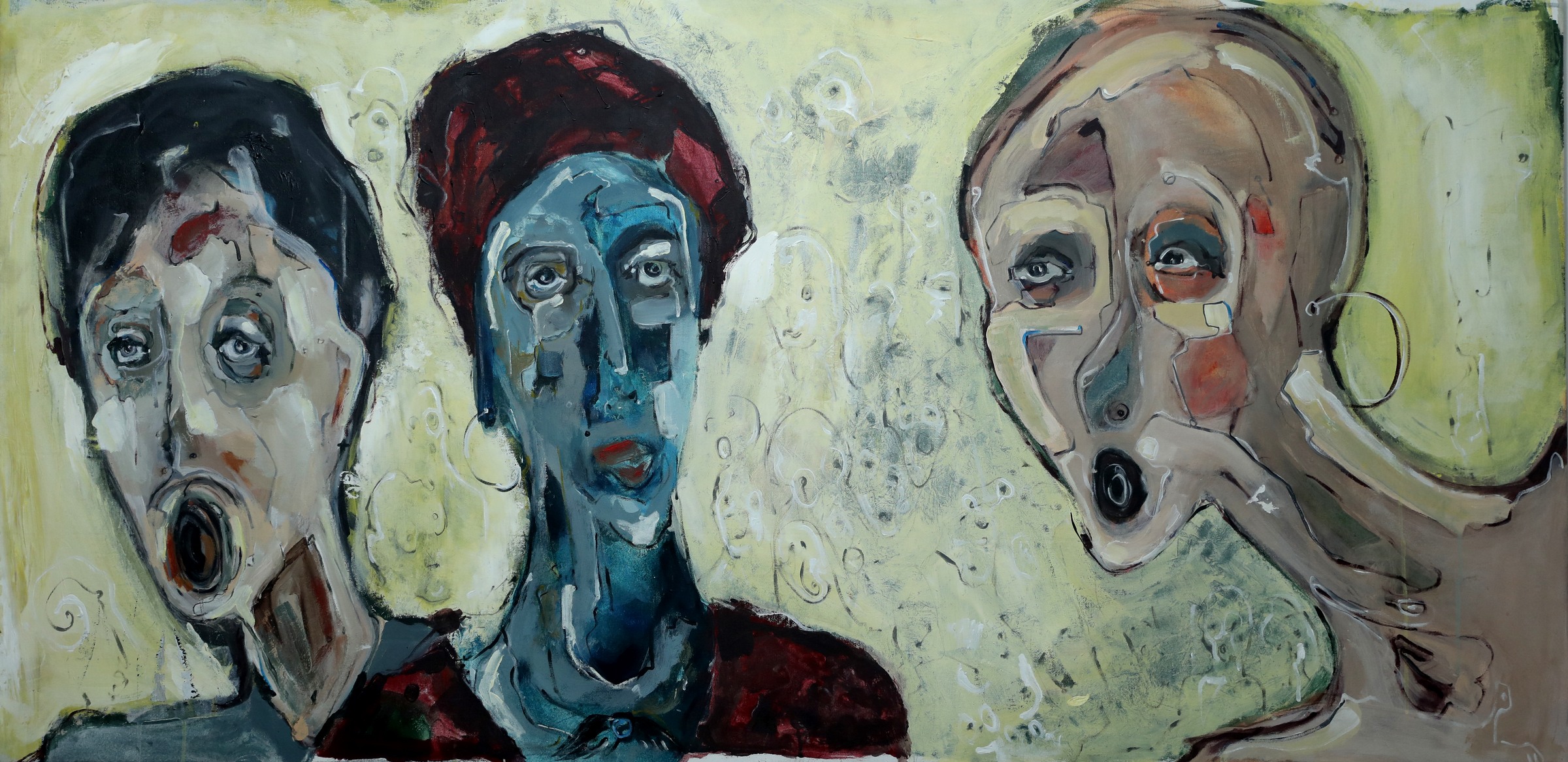
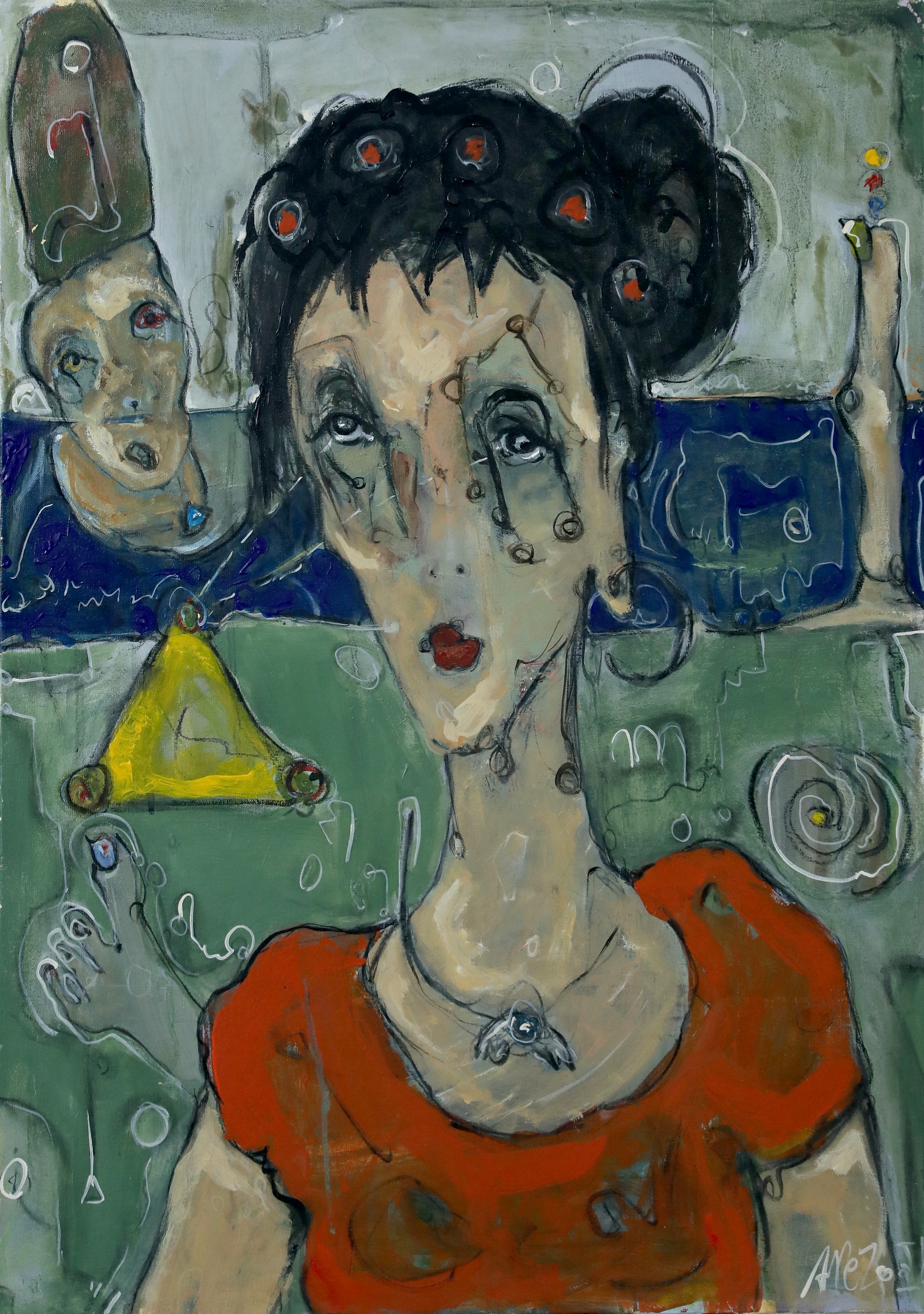
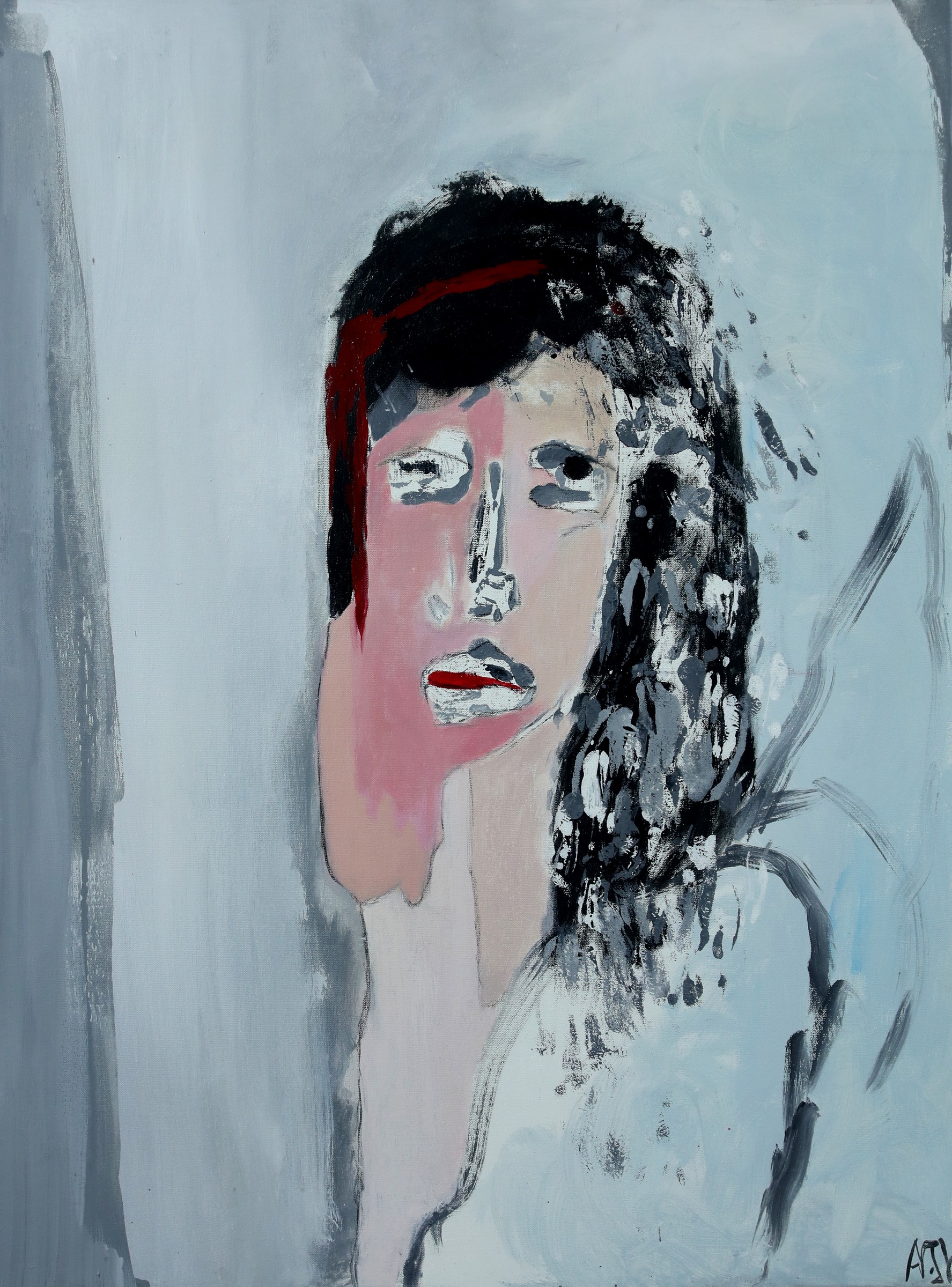
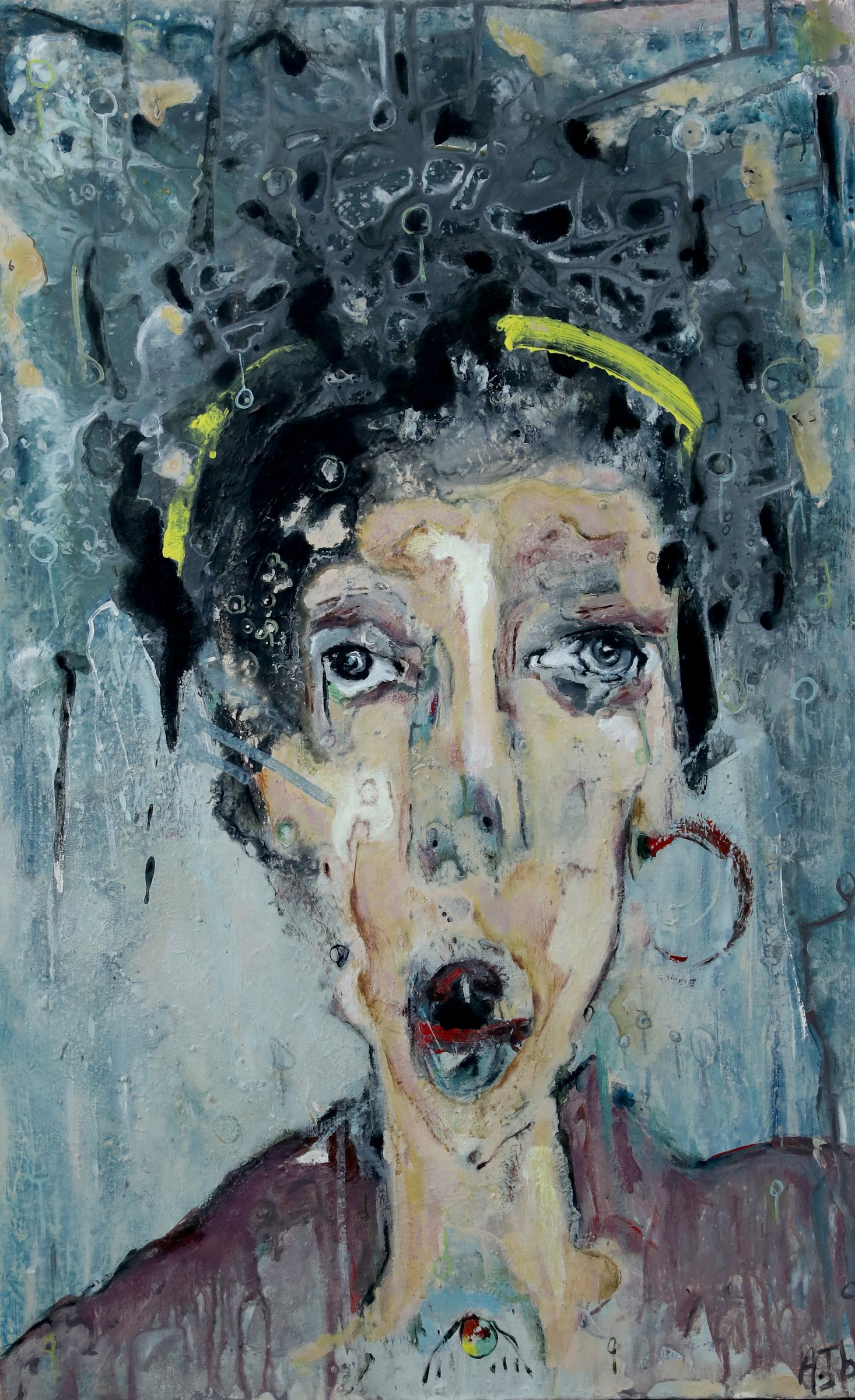
Working with restrained palettes, spontaneous marks and at times found or recycled materials, she explores the tension between outward appearance and inner life, silence and unspoken emotion.
آرزو جباری (متولد ۱۳۶۶ در تهران) نقاش ایرانی است که پرتره، بداهگی و واکنش حسی به تجربههای زیسته در مرکز آثار او قرار دارند.
او با طیفهای رنگی محدود، لکهها و خطوط خودانگیخته و گاه مواد بازیافتی، فاصلهٔ میان ظاهر و جهان درونی، سکوت و احساسهای ناگفته را جستوجو میکند.
Film · فیلم
Interview · گفتوگو
I am Arezoo Jabbari, born in July 1987. I became a painter very suddenly, I progressed very suddenly, and now I am in front of the camera very suddenly. As a child, I was not supposed to be a painter at all, and no special talent was discovered in me. At that time, I was not living in Tehran; I was in a village and I did not know much about this space. It was in middle school that I realized by chance that I liked painting and that I was interested in art.
من آرزو جباری هستم، متولد تیرماه ۱۳۶۶. خیلی ناگهانی نقاش شدم، خیلی ناگهانی پیش رفتم و حالا هم خیلی ناگهانی روبهروی دوربین قرار گرفتهام. در دوران کودکی اصلاً قرار نبود نقاش شوم و استعداد ویژهای هم در من کشف نشده بود. آن زمان در تهران زندگی نمیکردم؛ در روستا بودم و آگاهی چندانی از این فضا نداشتم. دورهٔ راهنمایی بود که اتفاقی فهمیدم نقاشی کردن را دوست دارم و به هنر علاقهمندم.
Show More / ادامهٔ گفتوگوShow Less / جمع کردن
I went to art school; of course, going to art school was a long process in itself. I studied graphics there, and then entered university and continued with graphics, but in the last semester, due to a series of issues, I dropped out and decided not to study anymore. After that, there was a break.
I worked at home for a long time, without knowing exactly what I was doing or whether I was going to become a painter one day. I had no specific goal at all, and I did not know that there was such a thing as the professional world of art. Later, again by chance, I met a few people who were artists.
Getting to know them was a turning point that made me realize that I could be a painter too.
The serious start of my professional career was shaped by a choice and a small clue. I had done a one-by-one meter work in oil paint and sent it to a festival. It was accepted and exhibited at the Artists’ House.
There I talked to people and felt that this could be the start of a series and the beginning of my entry into the professional space. To be honest, a large part of my world began with the Internet. I didn’t have much face-to-face and physical contact with the outside world; I was mostly in my solitude and solitude.
I didn’t have much information either. The Internet made me understand what was happening outside my room, in the world around me. I posted some of my paintings online and saw reactions.
Some people may not believe in luck; I sometimes don’t, but it happened to me that people from the art world saw the works without me knowing them or them knowing me. They would message me and ask how long I had been working and how I was doing it. It was strange for me; I was just working at home, very normal and comfortable.
Getting to know someone made me slowly enter another world. In my first collection, I would sometimes rework a work and destroy the previous one; that’s why some of the canvases were very heavy. He encouraged me to work more seriously, to keep my works and to get acquainted with the professional atmosphere of art.
This same event created a series of other events. It doesn’t matter who exactly came; what matters is that a path was formed that perhaps chose me. Sometimes you choose your career yourself and decide to become an artist or a painter; sometimes it’s as if life forces you to be an artist.
Even if you resist for a while and say that you can’t paint—not because you don’t want to, but because you don’t have the conditions—you turn around and go back to square one. This happened to me. Before I convinced myself that I should enter the world of art, I thought about its consequences and pressures.
Financial pressure is perhaps the most important thing that stops many people who want to work in art. There is no sure and easy income in this path and it takes time to achieve results. I had to come to terms with myself and ask: “How much do you want with yourself?”
Do you want to enter this world with all its ups and downs? Do you want to stay and continue your path or do you want to work for a while and then, for whatever reason, leave?” I asked myself this question before starting my professional career, not in the middle of it.
Now I can firmly say that under any circumstances I must remain a painter. Painting is a need for me; it is something that keeps me alive.
I do not work so that others can see and admire my works. I work because I feel that this way I connect with my inner world. This inner world itself has always been fascinating to me; It is as if, alongside the desire I know in everyday life, there is another world that wants to feed me and give me a special energy.
To achieve that energy, I have to go through painting. Many people, when they see my portraits, ask where these faces come from in your mind and how they are formed. I myself sometimes ask myself how I drew something like that.
Before I start my works, there is usually no specific thought or plan. When my hand starts working, the thought also arises at the same moment. At the end of the work, it is as if I myself am the first viewer of the work.
At that moment, I do not think that I created it; a work is placed in front of me and I look at it like an audience. Sometimes I criticize it and say that it is not good or that it has not reached the level I wanted. The painting itself tells me where to stop.
It may be just two eyes, two lines, or an almost white canvas with a spot of color on it. From my point of view, it ends there, because it doesn’t need to continue and speaks for itself. The work may be incomplete from someone else’s point of view, but for me it is complete.
I have never shown some of these experiences.
People have had a great impact on my personal life. Life review, the passage of time, and the people who have been in my life have all had an impact. Many of them have tried to make me a different person.
At the same time, I have deeply valued human beings, and this characteristic made me pay attention to faces. I looked at faces that had tried to be more beautiful on the outside, through surgery or other methods; but when you talked to the owners of those faces, you heard their thoughts and felt their pain, you saw that the inside did not match their bright, shiny, smiling appearance. I cannot say that I consciously decided to work on portraits for this reason from the beginning, but these feelings gathered in me and suddenly I saw myself painting portraits.
I did not choose portraits; it was as if portraits were chosen for me and I sat down and started with my own eyes. At the beginning of the painting path, I saw myself as a baby who was still unaware of the world around him, crawling, moving forward and absorbing his environment as he grew. When I started portraits, the first thing that caught my attention was how much I loved them.
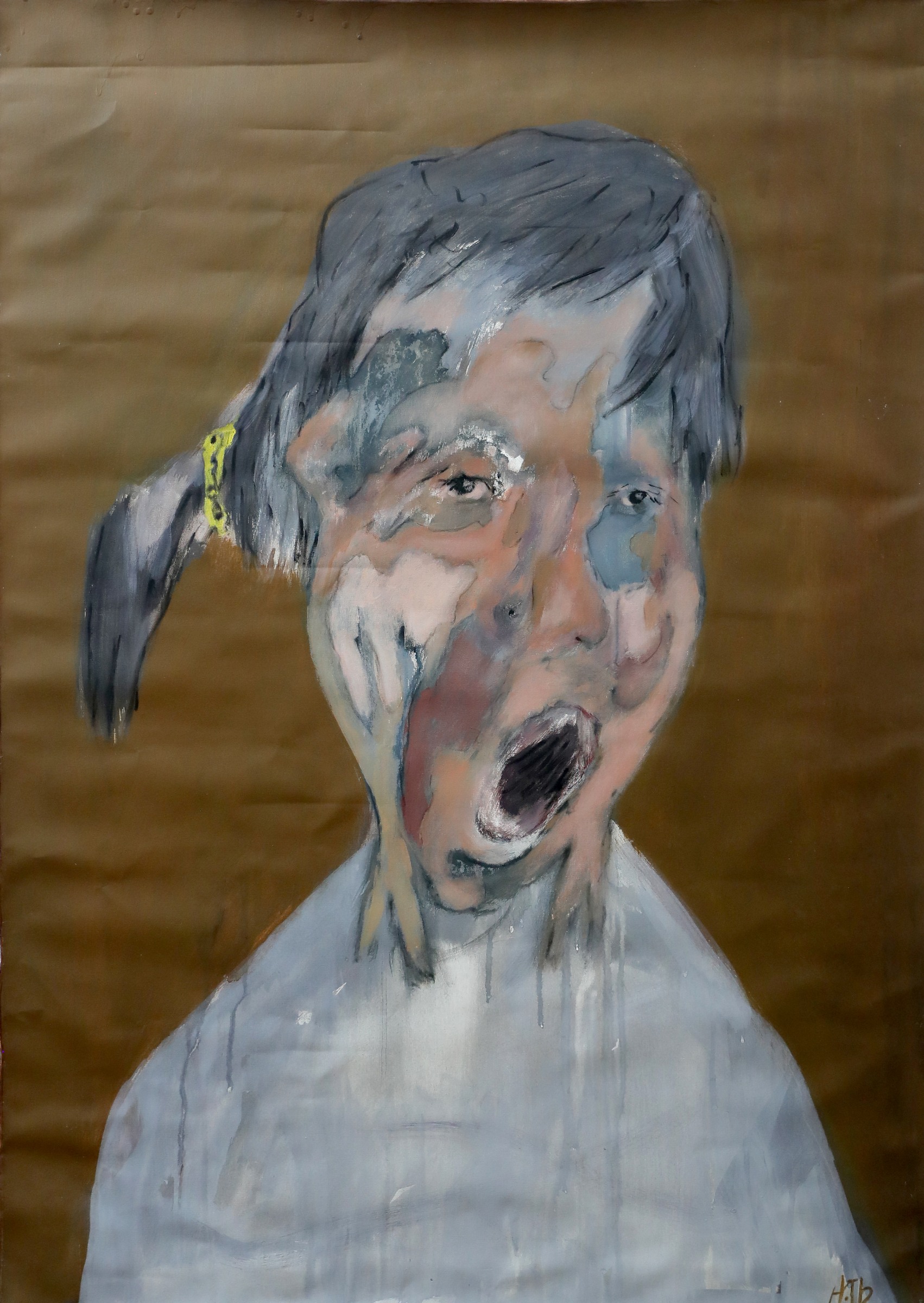
I felt that they really existed; It’s as if they are me in different forms, with all the screams that haven’t been made, all the words that haven’t been spoken, all the pain that hasn’t been expressed, and the silence that may be hidden behind thousands of other faces. For about eight years, I only worked on portraits; both drawing and painting. I see portraits in every stain, and this is completely unconscious.
Many times, I have walked down the street, seen a stain on the wall, and then, with whatever means I had at my disposal, I have drawn the portrait I saw in that stain. Nature is also a very important inspiration for me. All of this influences my work, and improvisation is always present in the work.
Apart from the fact that I may be the creator of these faces, sometimes I feel that they themselves wanted me to create them. This feeling may come from my subconscious, it may be something more, or it may be completely sensual; but my connection with portraits is very deep.
For me, it is a response to needs that are not satisfied by ordinary work. I don’t think an artist decides to become a painter without any reason or inner conflict. There are definitely feelings, emotions, and conflicts in him that are not expressed in the usual way.
A person needs to do something beyond ordinary things; to create something. From things that may not have any special meaning on their own, he creates a combination that has thousands of feelings, expressions, and concepts behind it. This is what gives value to the work and turns it into a work of art.
The work can be a painting, a sculpture, or anything else; the important thing is that when you or I see it as a viewer, a feeling forms inside us. That feeling may be fear, horror, or pleasure. As soon as the work has stimulated the audience, it means that it has done its job and its energy has been transferred.
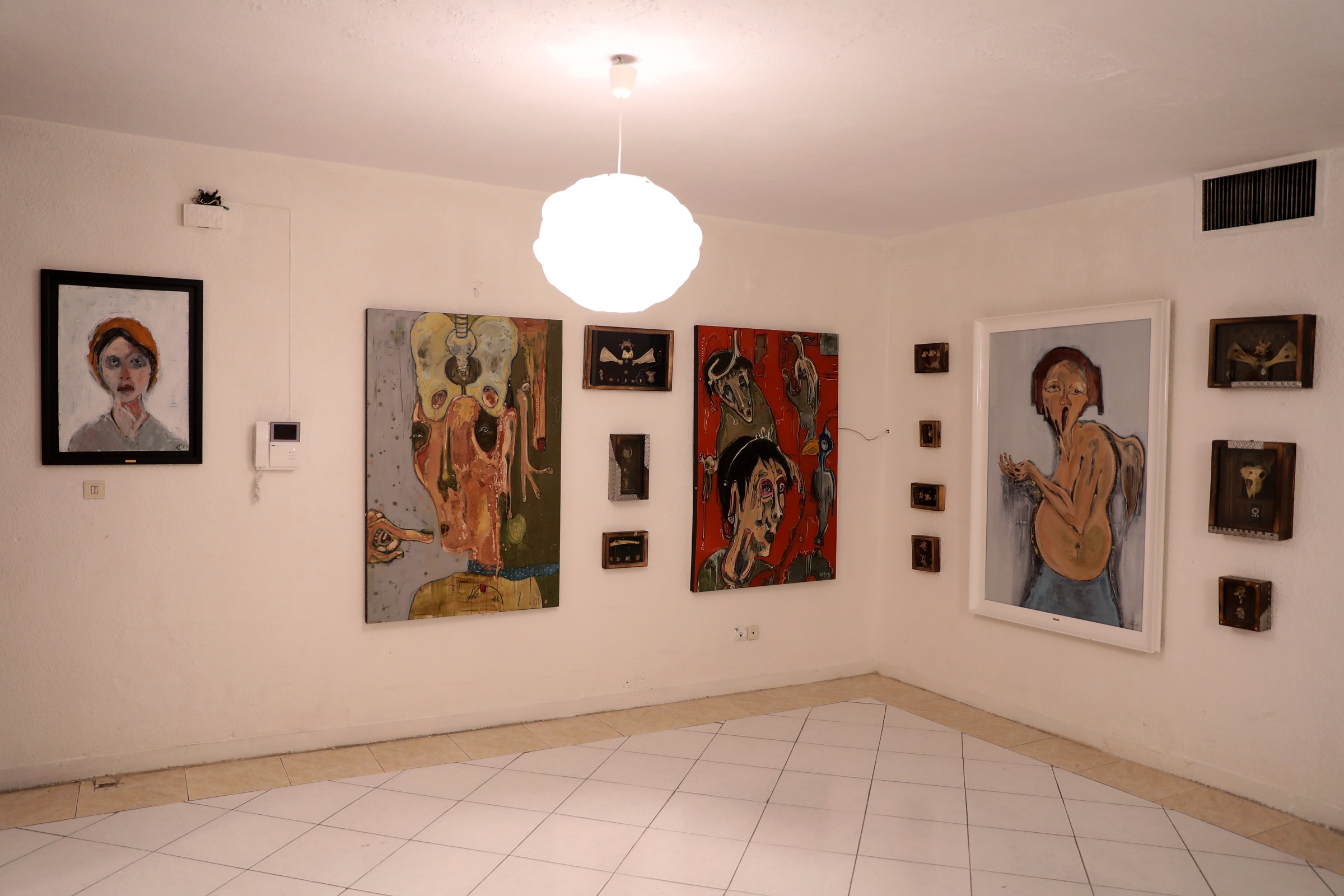
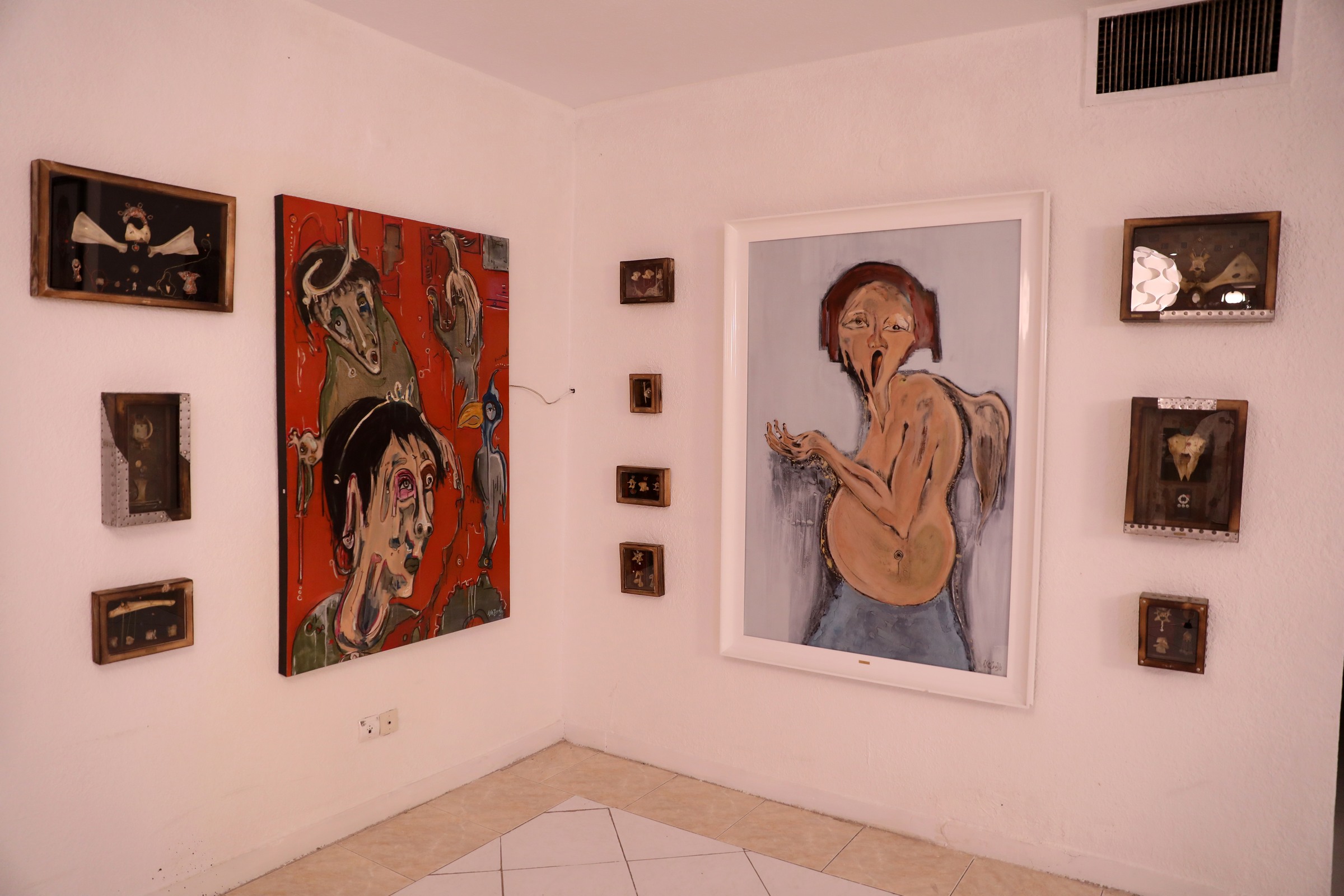
The idea for the “Lovely” collection came about very simply, at my own dinner table. About five or six years ago, my eyes suddenly fell on a piece of bone; a bone that I had probably seen many times since childhood while eating the same food, but I had never paid attention to it with this look. I don’t know if I didn’t have that perspective or if my vision wasn’t deep enough to look at it from that angle.
Suddenly I saw how similar the bones were to my portraits and how close they felt to the people I was painting. I started collecting bones right away. I could have easily gotten a sack of bones, cleaned them, and worked on them, but I didn’t want the path to be like that.
I believe in the flow of energy and the energy of people. That’s why I collected bones from different tables, different places, different ethnicities, and even different social classes of society. Sometimes I would buy a food press myself and give it to a child and tell him to eat the food and keep only the bones that were left for me.
Then I would take that same bone and bring it back. On the other hand, I could have taken bones from the table of a luxurious wedding party or from the table of the most affluent people; for whom perhaps eating that food was not a special event and didn’t appreciate it. For a while, that was my job, and people around me would laugh and ask why I was collecting bones and what I was going to do with them.
After the collection, the bones went through their own preparation process; they were left in the sun for a while, and then buried for a while to make them last and to get rid of their smell. Then I stayed with a few sacks of bones. I went north for about four months and stayed there just for this project.
The feeling I had with this collection was that these bones were the portraits; as if they were the remains of those faces. For me, this connection was not at all irrelevant. I felt that these beings had once lived and existed, and now, by chance, they are no longer there; only fragments of them remain alongside their personal belongings.
I also saw myself in many parts of the collection. Since the main material of the collection is bones, I wanted to avoid using anything expensive or extraordinary. I used spools of thread that can be found in everyone’s home, velvet fabric, bird feathers, and in some works, my own hair.
The collection was ultimately divided into two parts: a historical part that we have from the past and are sometimes proud of, and a part about the present that asks what we are leaving for the future. In fact, I looked at the present from the perspective of the future and took it to history. In the works that are about the present, technology is present and metal is used underneath.
In the part about the past, I used velvet to give it a more historical and royal feel. You can consider different layers for “lovely”, but what I like most is the connection between the portraits and the bones. Some of these objects really have a feeling.
When the audience looks at the boxes and says “These once existed”, that sentence and that energy is enough for me. They tell us about a life that existed before.
I don’t hold any exhibition just because I have prepared a collection and now others have to come and see it. Before inviting the audience, I like to know who will see the works, with what mindset they will enter and how they will react. I create a kind of mental game for myself.
My goal is never just to introduce the material and the concept of a collection. The audience comes, sees and leaves and may not realize for years what I have received from their presence and reaction. When I decided to show “Lovely”, I first tried very hard to put it in a famous gallery.
I was a young artist and did not have a famous representative behind me, so galleries would not accept it. This always happened with my works; even with paintings. No one said that the works were bad or technically weak.
It was interesting and fascinating to them, but they would say: “We have no customers for these works and we cannot show them.” At that time, I was upset about this and asked myself: Does art mean working in a way that sells? Should my first thought when I sit down to paint a canvas be what I should paint so that the work will sell and the gallery will like it? I put all these considerations aside and decided to be myself until the end, even if there were no customers for my works.
At the very least, I wanted to maintain this game and dialogue between myself and my audience—however small or large—I exhibited the “Lovely” collection in a relatively ordinary gallery. The management there was someone who could do a lot for me, but apart from people I knew, almost no viewers came.
The advertising was also very ordinary. It was natural; Arezoo Jabbari was not yet someone everyone wanted to go to see her exhibition and say, “Let’s see what she has done.” Among the few visitors, one person wrote to the gallery office that he understood what these works were, why the prices were set like that, and what was behind them.
That one audience was enough for me; an audience that understood what had happened. I had set the prices of some of the works very low; from one hundred thousand tomans to one million tomans. Neither the one million toman work nor the one hundred thousand toman work was sold.
These prices did not even cover the cost of producing the collection, and I had not organized the exhibition for sale in the first place. I do not open any of my collections solely for sale, whether I am in good financial condition or not. I wanted to see if people who say they love art and would like to have a work of art in their home would be willing to spend half the money they would pay for a printed or non-art object on a handmade work of art?
I provided this opportunity by keeping the price low, but nothing sold. Perhaps the audience stood in front of the work and said to themselves that when the price is only one hundred thousand tomans, it must not be worth much. I put the same works in the next group exhibition, in the same gallery, at many times the price, and they easily sold.
This game with the audience showed me that the problem was not necessarily his fault and that we need to look at the situation more fundamentally. We are trained not to rely on our own beliefs and perceptions and to derive value from external signs and a signature. Sometimes, someone who buys a work of art does not buy the work itself; they buy the signature under the painting.
My signature was not known at the time, so when prices were low, the works did not sell. If the same thing had happened to a famous name, many would still look at the signature instead of the painting itself. This is bittersweet for me.
I had prepared myself for such things before entering the professional world. Now, if I work, I do not hope for a large exhibition. Even if just one audience enters the exhibition and understands what happened and what feeling the artist wanted to convey, that is enough.
Even if that one person does not come, before all the audiences, I was the first person to see the work. I am sure that if the work of art is formed in the right place, correctly and from the bottom of my heart, it will find its way.
Sometimes we expect ordinary people not to understand the artistic space, but some of them understand it better than most, because they are their true selves and are true to themselves. What happens in the art community today is that many of us pretend to be artists. We want to be praised and admired and have our names mentioned, but we don’t think about whether our hearts really want to make art?
Does our mind really want to create something or do we create just to be famous? The two are very different. Since the beginning of my work, I have faced harsh criticism many times: Why do you work so bitterly?
Why is there so much sadness in your works? Why don’t you paint happily? Why do portraits always have a screaming look; the mouth is open but no sound comes out, and there is violence and commotion inside?
My answer is always: Where do I live? In what conditions am I? What happens to me?
Someone who makes art must originate from within themselves and express it. The events that occur around the artist are the builders of their thoughts and ultimately the output of their work. When I live in a place that is full of anomalies and masks that change every moment and no truth can be established in it, how can I work happily?
I don’t want to call it depression or anger; my works are bitter because they are born in the heart of bitter events. If I come in such a situation and create a happy work, I have told the biggest lie. Of course, art can have another aspect; like a puppet whose puppeteer may be facing difficult things in his heart, but with that puppet he makes thousands of children laugh.
You can look at it from that angle too. But in my painting, because I work very improvised and sensually, I cannot create something that is not how I feel inside. When I am sad about something, I cannot draw a happy portrait or a face with a false mask.
People try very hard to achieve their appearance; I myself am no exception to this rule. Sometimes even my mother says, put on some makeup or what are these clothes you are wearing. We want to show something on the outside that we may not feel on the inside.
This appearance may have positive energy, but at the same time we are saying to our inner truth and to the viewer: “Don’t see the real me; Accept what you see on the surface.” The same thing happens in the gallery: when the price of my work is low and the signature below it is by Arezoo Jabbari, no one will buy it; but the same work may easily sell in another gallery with a well-known signature. It seems that appearances are part of human nature. Perhaps one day we need to reach a point where we no longer need these appearances and our task is clear to ourselves.
Today, I am sitting here with these clothes and facilities. Perhaps one day none of these will be there, but that Arezoo Jabbari and my inner feeling are always there; whether in this situation or in other situations, my images do not change simply because I am in Europe or outside Iran and in ideal conditions, because these paintings come from my essence and consciousness; from the understanding that was born with me.
This understanding may change due to experiences and its models of expression may differ, but its inner feeling does not change easily. Who said that if I were in other conditions, the void would disappear? I have entered a void that will always be with me, whether here in Iran or in Paris, in the best of circumstances.
Some experiences have grown and sprouted. I can no longer cut them off at the root or pour something on them to dry them. If I do, my works will lose the impact they should have.
When an audience stands in front of my work and asks, “So, a mark has been placed on them?” they ask, “Why do you work this way?” or “Why are the works so rough?” If that root is cut off, even if I live in the best of circumstances, I can no longer create anything. I love my works.
Because I go back to the first point: I feel chosen to paint them. This feeling is strange even to me. I have a number of works in my room, and every time I look at them, I ask myself, “Did I paint them?”
How did I put this color here? How well it fits, as if every time I am the audience for my own works, I sometimes ask myself if I can really paint something like this again?
The answer is that not only can I, but in each period, in accordance with the same time and possibilities, exactly what needs to be created in that period is created.
When I was working on the “Other World” series, a strange thing happened. An element would enter the painting, without having seen that object or passed that street for years; then five days or a week later, completely by chance, I would see the same object or the same place in the real world. It was as if these elements had come by themselves before the event happened and were born in the painting, and then the story would unfold in my life.
The thing that is important to me about this series is that you might quickly pass by the works at first glance, but when the painting is in front of you and you look at it many times, you find something new in it every time. You unconsciously start to fantasize and travel with the painting.
In the new series, the size of the works has become larger than in the previous series. At the same time, I have used fewer colors, and the compositions eventually reach two or three colors. I feel that in these portraits I have reached a kind of brevity; the portraits express their point and achieve the necessary emotional connection with the audience, with all their simplicity and limited color range.
The simplicity and flatness of the work and the ability to create a sensory effect with two or three colors are very appealing to me. A painting, even if it is a portrait, does not necessarily require much construction; especially in my work, where improvisation plays a major role. I started drawing portraits from a drawing.
In drawing, you can easily create a portrait with two or three lines and create the necessary expression; so I think there is no need to work on it too much. I also like the contrast between the background and the portraits themselves. Portraits are sometimes darker and duller in color, but in the background I use elements with happier colors, more elegance and softness.
This contrast again goes back to the artist’s mentality and feeling at that moment. This collection is not yet complete; the number of portraits will probably reach ten to thirteen works, although not all of them will necessarily be exhibited.
The works in the studio belong to several different collections. For a while—about a year and a half to two years—I didn’t have a studio. Due to a series of events, I had lost almost everything and was left with myself and a large volume of work, without a place to store them.
This period coincided with the solo exhibition “Another World”. I had decided that at the end of the exhibition, I would put all the works and whatever was left of them on a truck, take them somewhere and destroy them. I even wanted to record a video of that scene so that I would always remember what had happened.
But either the works themselves didn’t want to be destroyed or I didn’t want it deep down. Something happened and most of the works were moved to the basement; some were also scattered in different places and a few galleries were kind enough to keep them for a while. Now I have this studio for a while and you don’t know how much I love it.
For a painter, having a place where he can work in his privacy is very valuable and influential. During the time when I didn’t have a studio and a suitable space, I convinced myself to work on small works. The drawings and small paintings of that period were born from this limitation.
Every period and every collection brings back memories for me, because none of them came about easily. The conditions were not always ready for me. Perhaps the first year that I can say that I work more comfortably is this period when I have a studio again.
Finding this place was also a coincidence. I spent about two months looking for a space; every time I found a place, the deal fell through. It was as if this place had been waiting for me to find it.
The mirrors, the design of the space and its courtyard are close to my mood and I love it very much. Some of my first works were formed on cardboard. There was a period in my life when I really didn’t have money to work and I used waste cardboard.
I always say this without any fear, because I feel that a part of me was made from that place. Perhaps one of the reasons why I am interested in recycled materials and objects today is that experience. Among my works, like any other artist, there are works that I don’t like very much; alongside them there are works that I love very much.
All of them, with their differences, are parts of the path that has brought me here.
شروعی ناگهانی
به هنرستان رفتم؛ البته رفتن به هنرستان خودش فرایندی طولانی داشت. آنجا گرافیک خواندم و بعد وارد دانشگاه شدم و باز هم گرافیک را ادامه دادم، اما در ترم آخر، به دلیل مجموعه ای از مسائل، انصراف دادم و تصمیم گرفتم دیگر درس نخوانم بعد از آن وقفه ای پیش آمد.
مدتی طولانی در خانه کار می کردم، بی آنکه بدانم دقیقاً چه می کنم یا قرار است روزی نقاش شوم. اصلاً هدف مشخصی نداشتم و نمی دانستم چیزی به نام دنیای حرفه ای هنر وجود دارد. بعدتر، باز هم اتفاقی، با چند نفر آشنا شدم که هنرمند بودند.
آشنایی با آن ها تلنگری بود که به من فهماند من هم می توانم نقاش باشم.
اینترنت و ورود به جهان حرفه ای هنر
شروع جدی کار حرفه ای من با یک انتخاب و یک سرنخ کوچک شکل گرفت. کاری یک در یک متر با رنگ روغن انجام داده بودم و آن را برای جشنواره ای فرستادم. پذیرفته شد و در خانهٔ هنرمندان به نمایش درآمد.
آنجا با آدم ها حرف زدم و احساس کردم این اتفاق می تواند شروع یک مجموعه و آغاز ورود من به فضای حرفه ای باشد اگر بخواهم صادق باشم، بخش بزرگی از جهان من از اینترنت آغاز شد. من ارتباط رودررو و فیزیکی چندانی با دنیای بیرون نداشتم؛ بیشتر در خلوت و تنهایی خودم بودم.
اطلاعات زیادی هم نداشتم. اینترنت باعث شد بفهمم بیرون از اتاق من، در جهان اطراف، چه اتفاق هایی می افتد. تعدادی از نقاشی هایم را در فضای مجازی گذاشتم و واکنش هایی دیدم.
شاید بعضی ها به شانس اعتقادی نداشته باشند؛ خود من هم گاهی ندارم، اما برای من پیش آمد که آدم هایی از دنیای هنر کارها را دیدند، بی آنکه من آن ها را بشناسم یا آن ها مرا بشناسند. پیام می دادند و می پرسیدند چند سال است کار می کنم و چطور کار می کنم. برای خودم عجیب بود؛ من فقط در خانه، خیلی عادی و راحت، کار می کردم.
آشنایی با یک نفر باعث شد کم کم وارد دنیای دیگری شوم. در مجموعهٔ اولم، گاهی روی یک کار دوباره کار می کردم و اثر قبلی را از بین می بردم؛ برای همین بعضی از بوم ها بسیار سنگین شده بودند. او تشویقم کرد که جدی تر فعالیت کنم، آثارم را نگه دارم و با فضای حرفه ای هنر آشنا شوم.
همین اتفاق، اتفاق های پی درپی دیگری را به وجود آورد. اینکه دقیقاً چه کسانی آمدند چندان مهم نیست؛ مهم این است که مسیری شکل گرفت که شاید خودش مرا انتخاب کرده بود گاهی خودت شغلت را انتخاب می کنی و تصمیم می گیری هنرمند یا نقاش شوی؛ گاهی هم انگار زندگی مجبورت می کند که هنرمند باشی.
حتی اگر مدتی مقاومت کنی و بگویی نمی توانم نقاشی کنم—نه به این دلیل که نمی خواهم، بلکه چون شرایطش را ندارم—چرخی می زنی و دوباره به همان نقطهٔ اول برمی گردی. این اتفاق برای من افتاد پیش از آنکه خودم را قانع کنم که باید وارد دنیای هنر شوم، به پیامدها و فشارهایش فکر کردم.
فشار مالی شاید مهم ترین چیزی باشد که جلوی بسیاری از کسانی را می گیرد که دوست دارند هنر کار کنند. در این مسیر درآمد قطعی و آسانی وجود ندارد و رسیدن به نتیجه زمان می برد. باید با خودم کنار می آمدم و می پرسیدم: » با خودت چندچندی؟
می خواهی با همهٔ فراز و نشیب ها وارد این دنیا شوی؟ آمده ای که بمانی و راهت را ادامه بدهی یا می خواهی مدتی کار کنی و بعد، به هر دلیلی، کنار بکشی؟ » من این پرسش را پیش از آغاز کار حرفه ای از خودم پرسیدم، نه در میانهٔ راه.
حالا می توانم محکم بگویم که تحت هر شرایطی باید نقاش بمانم. نقاشی برای من یک نیاز است؛ چیزی است که مرا زنده نگه می دارد.
وصل شدن به جهان درونی
من کار نمی کنم تا دیگران آثارم را ببینند و تحسین کنند. کار می کنم چون احساس می کنم از این راه به جهان درونی خودم وصل می شوم. خودِ این جهان درونی همیشه برایم جذاب بوده است؛ انگار در کنار آرزویی که در زندگی روزمره می شناسم، دنیای دیگری وجود دارد که می خواهد خوراک و انرژی خاصی به من بدهد.
برای رسیدن به آن انرژی باید از نقاشی عبور کنم خیلی ها وقتی پرتره هایم را می بینند می پرسند این چهره ها از کجای ذهنت می آیند و چطور شکل می گیرند. خودم هم گاهی از خودم می پرسم چگونه چنین چیزی را کشیده ام.
پیش از شروع آثارم معمولاً فکر و طرح مشخصی وجود ندارد. وقتی دستم شروع به کار می کند، همان لحظه فکر هم به وجود می آید در پایان کار، انگار خود من نخستین بینندهٔ اثر هستم.
آن لحظه به این فکر نمی کنم که من آن را آفریده ام؛ اثری در برابر من قرار گرفته است و من هم مثل یک مخاطب نگاهش می کنم. گاهی نقدش می کنم و می گویم خوب نیست یا به درجه ای که می خواستم نرسیده است تابلو خودش می گوید کجا باید متوقف شوم.
ممکن است فقط دو چشم، دو خط یا یک بوم تقریباً سفید باشد که لکه ای رنگ روی آن نشسته است. از نگاه من همان جا تمام شده، چون دیگر نیازی به ادامه ندارد و حرف خودش را می زند. شاید اثر از نگاه دیگری نیمه تمام باشد، اما برای من کامل است.
بعضی از این تجربه ها را هم هیچ وقت نمایش نداده ام.
پرتره ها و انسان
انسان ها روی زندگی شخصی من تأثیر زیادی گذاشته اند. مرور زندگی، گذر زمان و آدم هایی که در زندگی ام بوده اند، همگی اثرگذار بوده اند. بسیاری از آن ها سعی کرده اند از من آدم دیگری بسازند.
در عین حال، من در درون خودم برای انسان ها ارزش زیادی قائل بوده ام و همین خصوصیت باعث شد به صورت ها توجه کنم به چهره هایی نگاه می کردم که در ظاهر، با جراحی یا روش های دیگر، سعی کرده بودند زیباتر شوند؛ اما وقتی با صاحبان آن چهره ها صحبت می کردی، افکارشان را می شنیدی و دردهایشان را حس می کردی، می دیدی آن درون با ظاهر پررنگ ولعاب و خندانشان همخوان نیست. نمی توانم بگویم از ابتدا آگاهانه تصمیم گرفتم به همین دلیل پرتره کار کنم، اما این احساس ها در من جمع شد و ناگهان دیدم پرتره می کشم.
من پرتره را انتخاب نکردم؛ انگار پرتره برای من انتخاب شد و من نشستم و با دو چشم شروع کردم در آغاز مسیر نقاشی، خودم را مثل نوزادی می دیدم که هنوز از جهان اطرافش خبر ندارد، تاتی تاتی می کند، جلو می رود و هم زمان با رشد خود، از محیطش برداشت می کند. وقتی پرتره ها را شروع کردم، اولین چیزی که توجهم را جلب کرد این بود که چقدر دوستشان دارم.
احساس می کردم آن ها واقعاً وجود دارند؛ انگار خود من اند در قالب های مختلف، با تمام فریادهایی که زده نشده، تمام حرف هایی که به زبان نیامده، تمام دردهایی که بیان نشده و سکوتی که شاید پشت آن هزاران چهرهٔ دیگر پنهان باشد حدود هشت سال فقط پرتره کار کردم؛ هم طراحی و هم نقاشی. من در همهٔ لکه ها پرتره می بینم و این کاملاً ناخودآگاه است.
بارها در خیابان راه رفته ام، لکه ای روی دیوار دیده ام و بعد با هر وسیله ای که در دسترسم بوده، پرتره ای را که در آن لکه می دیدم بیرون کشیده ام. طبیعت نیز الهام بسیار مهمی برای من است. همهٔ این ها روی آثارم تأثیر می گذارند و بداهگی همیشه در کارها حضور دارد.
جدا از اینکه شاید من خالق این چهره ها باشم، گاهی حس می کنم خود آن ها خواسته اند که من خلقشان کنم. ممکن است این احساس از ناخودآگاه من بیاید، ممکن است چیزی فراتر باشد یا کاملاً حسی باشد؛ اما ارتباط من با پرتره ها بسیار عمیق است.
خلق کردن
برای من پاسخی به نیازهایی است که با کارهای عادی تخلیه نمی شوند. فکر نمی کنم هنرمند بی هیچ دلیل و درگیری درونی تصمیم بگیرد نقاش شود. حتماً احساس ها، عاطفه ها و کشمکش هایی در وجود او هست که به شکل معمول بیان نمی شود.
آدم نیاز پیدا می کند کاری فراتر از امور عادی انجام دهد؛ چیزی خلق کند. از چیزهایی که شاید هر کدام به تنهایی معنای خاصی ندارند، ترکیبی می سازد که هزاران احساس، بیان و مفهوم پشت آن قرار دارد. همین به کار ارزش می دهد و آن را به اثر هنری تبدیل می کند.
اثر می تواند نقاشی، مجسمه یا هر چیز دیگری باشد؛ مهم این است که وقتی من یا شما به عنوان بیننده آن را می بینیم، حسی درونمان شکل بگیرد. آن حس ممکن است ترس، وحشت یا خوش آمدن باشد. همین که اثر مخاطب را تحریک کرده، یعنی کار خودش را انجام داده و انرژی اش منتقل شده است.
مجموعهٔ «استخوانهای دوستداشتنی»
ایدهٔ مجموعهٔ » دوست داشتنی خیلی ساده و سر سفرهٔ غذای خودم به وجود آمد. حدود پنج یا شش سال پیش، ناگهان چشمم به تکه ای استخوان افتاد؛ استخوانی که شاید از کودکی بارها هنگام خوردن همان غذا دیده بودم، اما هیچ وقت با این نگاه به آن توجه نکرده بودم. نمی دانم آن نگاه را نداشتم یا هنوز نگاهم آن قدر عمیق نشده بود که از این زاویه به آن نگاه کند.
ناگهان دیدم استخوان چقدر به پرتره های من شبیه است و حسش تا چه اندازه به آدم هایی نزدیک است که نقاشی شان می کنم. همان جا شروع کردم به جمع آوری استخوان ها می توانستم خیلی راحت یک گونی استخوان تهیه کنم، تمیزشان کنم و روی آن ها کار کنم، اما نمی خواستم مسیر به این شکل باشد.
من به جریان انرژی ها و انرژی آدم ها اعتقاد دارم. برای همین استخوان ها را از سفره های مختلف، مکان های مختلف، قوم های گوناگون و حتی طبقات اجتماعی متفاوت جامعه جمع کردم گاهی خودم یک پرس غذا می خریدم و به یک کودک کار می دادم و می گفتم غذا را بخورد و فقط استخوان های باقی مانده را برایم نگه دارد.
بعد همان استخوان را می گرفتم و می آوردم. از طرف دیگر، ممکن بود از سفرهٔ یک مجلس عروسی مجلل یا از سفرهٔ مرفه ترین آدم ها استخوان بردارم؛ کسانی که شاید خوردن آن غذا برایشان اتفاق خاصی نبود و قدرش را هم نمی دانستند. مدتی کار من همین شده بود و اطرافیان می خندیدند و می پرسیدند چرا استخوان جمع می کنم و می خواهم با آن ها چه کنم.
پس از جمع آوری، استخوان ها فرایند آماده سازی خودشان را طی کردند؛ مدتی در آفتاب ماندند و مدتی زیر خاک بودند تا دوام پیدا کنند و بویشان از بین برود. بعد من ماندم و چند گونی استخوان. حدود چهار ماه به شمال رفتم و فقط برای این پروژه آنجا ماندم.
حسی که با این مجموعه داشتم این بود که این استخوان ها همان پرتره ها هستند؛ انگار اجساد باقی ماندهٔ آن چهره ها باشند. برای من این پیوند اصلاً بی ربط نبود. حس می کردم این موجودات زمانی زندگی کرده و وجود داشته اند و حالا، بر اثر اتفاقی، دیگر نیستند؛ فقط تکه هایی از آن ها در کنار وسایل شخصی شان باقی مانده است.
در بسیاری از بخش های مجموعه خودم را هم می دیدم دوست داشتم چون متریال اصلی مجموعه استخوان است، از چیزهای گران قیمت یا خارق العاده استفاده نکنم. از قرقرهٔ نخ هایی استفاده کردم که در خانهٔ همه پیدا می شود، از پارچهٔ مخمل، از پر پرنده ها و در بعضی آثار از موهای خودم.
مجموعه در نهایت به دو بخش تقسیم شد: بخشی تاریخی که از گذشته برای ما مانده و گاهی به آن افتخار می کنیم، و بخشی مربوط به زمان حال که می پرسد ما برای آینده چه باقی می گذاریم. در واقع، به زمان حال از دید آینده نگاه کردم و آن را به تاریخ بردم. در آثاری که به زمان حاضر مربوط می شوند، فناوری حضور دارد و زیر آن ها فلز به کار رفته است.
در بخش مربوط به گذشته از مخمل استفاده کردم تا حال وهوایی تاریخی تر و سلطنتی تر داشته باشد می توان لایه های مختلفی برای » دوست داشتنی در نظر گرفت، اما آنچه خودم بیشتر دوست دارم همان ارتباط میان پرتره ها و استخوان هاست. بعضی از این اشیا واقعاً حس دارند.
وقتی مخاطب به باکس ها نگاه می کند و می گوید » این ها زمانی وجود داشته اند همین جمله و همین انرژی برای من کافی است. آن ها به ما خبر از زندگی ای می دهند که پیش تر وجود داشته است.
نمایشگاه به مثابه گفتوگو با مخاطب
هیچ نمایشگاهی را صرفاً به این دلیل برگزار نمی کنم که مجموعه ای آماده کرده ام و حالا دیگران باید بیایند و آن را ببینند. پیش از دعوت مخاطب، دوست دارم بدانم چه کسانی آثار را می بینند، با چه ذهنیتی وارد می شوند و چه واکنشی نشان می دهند. برای خودم نوعی بازی ذهنی ایجاد می کنم.
هدفم هیچ وقت فقط معرفی متریال و مفهوم یک مجموعه نیست. مخاطبان می آیند، می بینند و می روند و شاید سال ها متوجه نشوند من چه چیزی از حضور و واکنششان دریافت کرده ام وقتی تصمیم گرفتم » دوست داشتنی را نمایش دهم، ابتدا خیلی تلاش کردم آن را در یک گالری نامدار بگذارم.
هنرمند جوانی بودم و معرف مشهوری هم پشت سرم نبود، برای همین گالری ها قبول نمی کردند. همیشه دربارهٔ آثارم همین اتفاق می افتاد؛ حتی دربارهٔ نقاشی ها. هیچ کس نمی گفت کارها بد یا از نظر تکنیکی ضعیف اند.
اتفاقاً برایشان جالب و جذاب بود، اما می گفتند: » این کارها مشتری نداریم و نمی توانیم نمایششان بدهیم آن زمان از این موضوع ناراحت می شدم و از خودم می پرسیدم: آیا هنر یعنی طوری کار کنم که بفروشد؟ آیا وقتی پای بوم می نشینم، اولین فکرم باید این باشد که چه بکشم تا اثر فروش برود و گالری خوشش بیاید؟ همهٔ این ملاحظات را کنار گذاشتم و تصمیم گرفتم تا پایان خودم باشم، حتی اگر برای آثارم مشتری وجود نداشته باشد.
دست کم می خواستم این بازی و گفت وگو میان خودم و مخاطبانم—چه کم و چه زیاد—را حفظ کنم مجموعهٔ » دوست داشتنی را در گالری نسبتاً معمولی ای نمایش دادم. مدیریت آنجا کسی بود که می توانست برایم کارهای زیادی انجام دهد، اما جز آدم هایی که خودم می شناختم، تقریباً هیچ بیننده ای نیامد.
تبلیغات هم بسیار معمولی بود. طبیعی بود؛ آرزو جباری هنوز کسی نبود که همه بخواهند برای دیدن نمایشگاهش بروند و بگویند ببینیم چه کرده است در همان تعداد اندک بازدیدکنندگان، یک نفر در دفتر گالری نوشت که فهمیده این آثار چه هستند، چرا قیمت ها چنین تعیین شده اند و چه اتفاقی پشت آن هاست.
همان یک مخاطب برای من کافی بود؛ مخاطبی که متوجه شده بود چه اتفاقی افتاده است قیمت بعضی از آثار را بسیار پایین گذاشته بودم؛ از صد هزار تومان تا یک میلیون تومان. نه اثر یک میلیونی فروخته شد و نه اثر صد هزار تومانی.
این قیمت ها حتی هزینهٔ تولید مجموعه را هم برنمی گرداند و اساساً نمایشگاه را برای فروش برگزار نکرده بودم. هیچ کدام از مجموعه هایم را صرفاً برای فروش افتتاح نمی کنم، چه از نظر مالی در شرایط خوبی باشم و چه نباشم می خواستم ببینم آدم هایی که می گویند هنر را دوست دارند و دوست دارند در خانه شان اثر هنری داشته باشند، آیا حاضرند نصف پولی را که برای یک شیء چاپی یا غیرهنری می دهند، صرف خرید یک اثر دست ساز هنری کنند؟
این فرصت را با پایین نگه داشتن قیمت فراهم کردم، اما هیچ کاری فروش نرفت. شاید مخاطب روبه روی اثر ایستاده و با خودش گفته بود وقتی قیمت فقط صد هزار تومان است، حتماً ارزش چندانی ندارد همین آثار را در نمایشگاه گروهی بعدی، در همان گالری، با قیمت چند برابر گذاشتم و به راحتی فروخته شدند.
این بازی با مخاطب به من نشان داد که مسئله الزاماً تقصیر او نیست و باید ریشه ای تر به ماجرا نگاه کرد. ما آموزش دیده ایم به باور و دریافت خودمان تکیه نکنیم و ارزش را از نشانه های بیرونی و یک امضا بگیریم. گاهی کسی که اثر هنری می خرد، خود اثر را نمی خرد؛ امضای زیر تابلو را می خرد.
امضای من آن زمان شناخته شده نبود، بنابراین وقتی قیمت ها پایین بود، آثار فروش نرفتند. اگر همین اتفاق برای نامی مشهور می افتاد، باز هم بسیاری به جای خود تابلو، به امضا نگاه می کردند. این موضوع برای من تلخ است.
من پیش از ورود به دنیای حرفه ای، خودم را برای چنین چیزهایی آماده کرده بودم. حالا اگر کار می کنم، به امید نمایشگاهی با جمعیت زیاد نیست. حتی اگر فقط یک مخاطب وارد نمایشگاه شود و بفهمد چه اتفاقی افتاده و هنرمند چه حسی را خواسته منتقل کند، همان کافی است.
حتی اگر همان یک نفر هم نیاید، پیش از همهٔ مخاطبان، خودم نخستین کسی بوده ام که اثر را دیده ام. یقین دارم اگر اثر هنری به جا، درست و از ته دل شکل گرفته باشد، راه خودش را پیدا می کند.
صداقت هنرمند و تلخی آثار
گاهی از آدم های معمولی انتظار داریم فضای هنری را درک نکنند، اما بعضی از آن ها از بسیاری از » بهتر می فهمند، چون خود واقعی شان هستند و با خودشان صادق اند. اتفاقی که امروز در جامعهٔ هنری می افتد این است که بسیاری از ما ادای هنرمندبودن را درمی آوریم. دوست داریم تشویق و تحسین شویم و اسممان مطرح شود، اما به این فکر نمی کنیم که آیا واقعاً قلبمان هم می خواهد هنر کار کند؟
آیا ذهنمان واقعاً می خواهد چیزی خلق کند یا فقط برای مشهورشدن دست به خلق می زنیم؟ این دو با هم بسیار متفاوت اند از ابتدای کار بارها با نقدهای تند روبه رو شدم: چرا این قدر تلخ کار می کنی؟
چرا این همه اندوه در آثارت هست؟ چرا شاد نمی کشی؟ چرا پرتره ها همیشه حالتی شبیه فریاد دارند؛ دهان باز است اما صدایی بیرون نمی آید و درون آن خشونت و هیاهو وجود دارد؟
پاسخ من همیشه این است: من کجا زندگی می کنم؟ در چه شرایطی هستم؟ چه اتفاق هایی بر من می افتد؟
کسی که هنر کار می کند، باید از درون خودش سرچشمه بگیرد و آن را بروز دهد. اتفاق هایی که در اطراف هنرمند رخ می دهند، سازندهٔ افکار او و در نهایت خروجی کار او هستند وقتی جایی زندگی می کنم که پر از ناهنجاری و ماسک هایی است که هر لحظه عوض می شوند و نمی توان حقیقتی را در آن تثبیت کرد، چطور می توانم شاد کار کنم؟
نمی خواهم اسمش را افسردگی یا خشم بگذارم؛ آثار من تلخ اند چون در دل اتفاق های تلخ زاده می شوند. اگر در چنین وضعیتی بیایم و اثری شاد بسازم، بزرگ ترین دروغ را گفته ام البته هنر می تواند جنبهٔ دیگری هم داشته باشد؛ مثل عروسک خیمه شب بازی که عروسک گردانش شاید در دل با اتفاق های دشواری روبه رو باشد، اما با آن عروسک هزاران کودک را می خنداند.
از آن زاویه هم می توان نگاه کرد. ولی در نقاشی من، چون بسیار بداهه و حسی کار می کنم، نمی توانم چیزی را بسازم که حال درونم نیست. وقتی از اتفاق هایی ناراحتم، نمی توانم پرتره ای شاد یا چهره ای با ماسکی دروغین بکشم.
آدم ها بسیار تلاش می کنند به ظاهرشان برسند؛ خود من هم از این قاعده جدا نیستم. گاهی حتی مادرم می گوید کمی آرایش کن یا این لباس ها چیست که پوشیده ای. ما می خواهیم در ظاهر چیزی را نشان بدهیم که شاید در درون آن را احساس نمی کنیم.
ممکن است این ظاهر انرژی مثبتی داشته باشد، اما در همان حال به حقیقت درونی خودمان و به بیننده می گوییم: » منِ واقعی را نبین؛ چیزی را که در ظاهر می بینی بپذیر » همین اتفاق در گالری هم رخ می دهد: وقتی قیمت کار من پایین و امضای زیر آن متعلق به آرزو جباری است، کسی آن را نمی خرد؛ اما ممکن است همان اثر در گالری دیگری و با امضایی شناخته شده به راحتی فروش برود. انگار ظاهر بینی بخشی از خصوصیت بشر است. شاید لازم باشد روزی به جایی برسیم که از این ظواهر بی نیاز شویم و تکلیفمان با خودمان روشن باشد.
ریشهای که با من میماند
منِ امروز با این لباس ها و امکانات اینجا نشسته ام. شاید روزی هیچ کدام از این ها نباشند، اما آن آرزو جباری و احساس درونی من همیشه وجود دارد؛ چه در این شرایط و چه در شرایطی دیگر تصاویر من صرفاً به این دلیل که در اروپا یا خارج از ایران و در شرایطی ایده آل باشم تغییر نمی کنند، چون این نقاشی ها از ذات و شعور من می آیند؛ از فهمی که با من زاده شده است.
این فهم ممکن است بر اثر تجربه ها تغییر کند و مدل های بیانش متفاوت شوند، اما حس درونی آن به سادگی عوض نمی شود چه کسی گفته اگر در شرایط دیگری قرار بگیرم، خلأ از بین می رود؟ من وارد خلأیی شده ام که همیشه با من خواهد بود؛ چه اینجا در ایران و چه در پاریس، در بهترین شرایط.
بعضی تجربه ها رشد کرده اند و جوانه زده اند. دیگر نمی توانم آن ها را از ریشه قطع کنم یا چیزی روی ریشه بریزم تا خشک شود. اگر چنین کنم، آثارم تأثیری را که باید داشته باشند از دست می دهند.
وقتی مخاطبی روبه روی کارم می ایستد و می پرسد » یعنی اثری روی او گذاشته شده؛ می پرسد چرا به این شکل کار می کنی یا چرا آثار تا این حد خشن اند. اگر آن ریشه قطع شود، حتی اگر در بهترین شرایط زندگی کنم، دیگر نمی توانم چیزی خلق کنم خودم کارهایم را دوست دارم.
چون به همان حرف اول برمی گردم: احساس می کنم انتخاب شده ام که آن ها را بکشم. این حس حتی برای خودم عجیب است. تعدادی از آثار در اتاقم هستند و هر بار که نگاهشان می کنم، از خودم می پرسم: » را من کشیده ام؟
چطور این رنگ را اینجا گذاشته ام؟ چقدر خوب نشسته است انگار هر بار من هم مخاطب آثار خودم هستم گاهی از خودم می پرسم آیا واقعاً می توانم دوباره چنین کاری بکشم؟
پاسخ این است که نه تنها می توانم، بلکه در هر دوره، متناسب با همان زمان و امکانات، دقیقاً چیزی خلق می شود که باید در آن دوره خلق شود.
«از دنیای دیگر» و همسفرشدن با تابلو
زمانی که مجموعهٔ » دنیای دیگر را کار می کردم، اتفاق عجیبی می افتاد. عنصری وارد نقاشی می شد، بی آنکه سال ها آن شیء را دیده یا از آن خیابان گذشته باشم؛ بعد پنج روز یا یک هفته بعد، کاملاً تصادفی، همان شیء یا همان مکان را در جهان واقعی می دیدم. انگار این عناصر پیش از وقوع اتفاق، خودشان می آمدند و در تابلو زاده می شدند و بعد ماجرا در زندگی من رخ می داد.
نکته ای که دربارهٔ این مجموعه برایم مهم است این است که شاید در نگاه اول خیلی سریع از کنار کارها بگذری، اما وقتی تابلو روبه رویت باشد و بارها نگاهش کنی، هر بار چیز تازه ای در آن پیدا می کنی. ناخودآگاه شروع می کنی به خیال پردازی و هم سفرشدن با تابلو.
مجموعهٔ تازه و رسیدن به خلاصهگویی
در مجموعهٔ تازه، اندازهٔ آثار نسبت به مجموعهٔ قبلی بزرگ تر شده است. در عین حال، از تعداد رنگ های کمتری استفاده کرده ام و ترکیب بندی ها در نهایت به دو یا سه رنگ می رسند. احساس می کنم در این پرتره ها به نوعی خلاصه گویی رسیده ام؛ پرتره ها در همین حد، با تمام سادگی و محدودبودن طیف رنگ، حرفشان را بیان می کنند و ارتباط حسی لازم را با مخاطب می گیرند.
سادگی و تخت بودن کار و اینکه بتوانم با دو یا سه رنگ تأثیر حسی را برقرار کنم، برای خودم بسیار جذاب است. یک تابلو، حتی اگر پرتره باشد، لزوماً به ساخت وساز زیاد نیاز ندارد؛ به خصوص در کار من که بداهگی نقش اصلی را دارد من پرتره کشیدن را از طراحی شروع کردم.
در طراحی می شود با دو یا سه خط به راحتی یک پرتره ساخت و همان بیان لازم را به وجود آورد؛ بنابراین فکر می کنم نیازی نیست بیش از اندازه روی آن کار شود تضاد میان پس زمینه و خود پرتره ها را هم دوست دارم. پرتره ها از نظر رنگی گاهی سیاه تر و کدرترند، اما در پس زمینه از عناصری با رنگ های شادتر، ظرافت و لطافت بیشتر استفاده می کنم.
این تضاد دوباره به ذهنیت و احساس همان لحظهٔ هنرمند برمی گردد. این مجموعه هنوز کامل نشده است؛ احتمالاً تعداد پرتره ها به ده تا سیزده اثر می رسد، هرچند لزوماً قرار نیست همهٔ آن ها نمایش داده شوند.
آتلیه، فقدان و ادامه دادن
آثاری که در آتلیه هستند به چند مجموعهٔ مختلف تعلق دارند. مدتی—حدود یک ونیم تا دو سال—آتلیه نداشتم. بر اثر مجموعه ای از اتفاق ها تقریباً همه چیز را از دست داده بودم و مانده بودم با خودم و حجم بزرگی از کارها، بی آنکه جایی برای نگهداری شان داشته باشم.
این دوره با نمایشگاه انفرادی » دنیای دیگر هم زمان شد. تصمیم گرفته بودم در پایان نمایشگاه تمام آثار و هرچه از آن ها باقی مانده بود روی کامیون بگذارم، به جایی ببرم و از بین ببرم. حتی می خواستم از آن صحنه تصویری ثبت کنم تا همیشه به یاد داشته باشم چه اتفاقی افتاده است.
اما یا خود آثار نمی خواستند از بین بروند یا من در عمق وجودم چنین چیزی نمی خواستم. اتفاق هایی افتاد و بیشتر کارها به زیرزمین منتقل شدند؛ بعضی نیز در جاهای مختلف پخش شدند و چند گالری لطف کردند و مدتی آن ها را نگه داشتند حالا مدتی است این آتلیه را دارم و نمی دانید چقدر آن را دوست دارم.
برای نقاش، داشتن جایی که بتواند در خلوت خودش کار کند بسیار باارزش و تأثیرگذار است در مدتی که آتلیه و فضای مناسب نداشتم، خودم را قانع کردم روی آثار کوچک کار کنم. طراحی و نقاشی های کوچک آن دوره از همین محدودیت به وجود آمدند.
هر دوره و هر مجموعه برای من یادآور خاطراتی است، چون هیچ کدام به آسانی شکل نگرفته اند. شرایط همیشه برایم مهیا نبوده است. شاید نخستین سالی که می توانم بگویم با آسودگی بیشتری کار می کنم، همین دوره ای باشد که دوباره آتلیه دارم.
پیداکردن اینجا هم اتفاقی بود. نزدیک دو ماه دنبال فضا می گشتم؛ هر بار جایی پیدا می شد، معامله به هم می خورد. انگار اینجا منتظر مانده بود تا من پیدایش کنم.
آینه ها، طراحی فضا و حیاط آن به حال وهوای روحی من نزدیک است و خیلی دوستش دارم بعضی از نخستین آثارم روی مقوا شکل گرفته اند. دوره ای در زندگی ام واقعاً پولی برای کارکردن نداشتم و از مقواهای باطله استفاده می کردم.
این را همیشه بی هیچ ترسی بیان می کنم، چون احساس می کنم بخشی از من از همان جا ساخته شد. شاید یکی از دلایلی که امروز به مواد و اشیای بازیافتی علاقه دارم همان تجربه باشد. در میان آثارم، مثل هر هنرمند دیگری، کارهایی هست که چندان دوستشان ندارم؛ در کنارشان آثاری هم وجود دارند که بسیار دوستشان دارم.
همهٔ آن ها، با تفاوت هایشان، بخش هایی از مسیری هستند که مرا به اینجا رسانده اند.
Artworks · آثار




View All Works / مشاهدهٔ همهٔ آثارShow Less / جمع کردن